









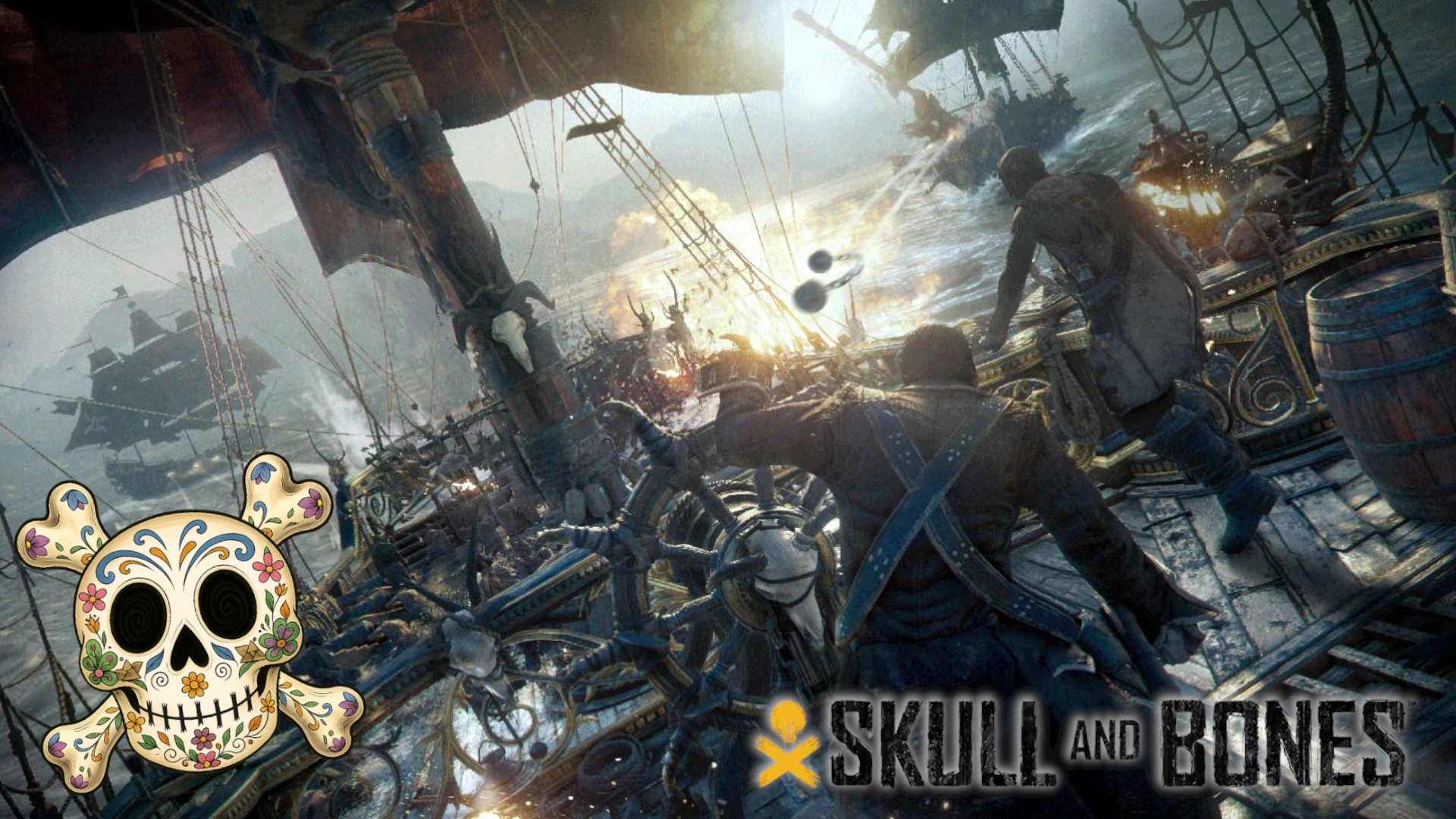
It’s Pirate month, and we actually got Skull and Bones for a steal in the Steam Summer Sale. So we basically had no choice but to play it. Mostly to understand what it actually is, though. Because I don’t think that there’s any game in recent memory that has arrived with as much historical baggage, identity confusion, and marketing missteps as this.
Trapped in development hell for over a decade, it was famously labelled a “AAAA game” by Ubisoft leadership. A phrase that immediately became a meme and set up expectations the final product could never realistic meet.
Because of its origins as a spin-off of Assassin’s Creed IV: Black Flag, the gaming public largely expected an immersive, open-world pirate simulator. When it finally launched, the reception was cold, weighed down by a wave of disappointment.
But stripped of the poor marketing, the internet drama, and the corporate hyperbole, what actually is Skull and Bones?

You are the Ship, Not the Pirate
The biggest barrier to understanding Skull and Bones is realising that it is not an on-foot pirate role-playing game. If you go in expecting to swing from ropes, board enemy vessels with a cutlass between your teeth, or explore uncharted islands on foot like in Sea of Thieves or Black Flag, you will be disappointed.
Instead, Skull and Bones is fundamentally a naval combat resource-management game. Your character on land is essentially just a living menu interface used to accept quests, craft upgrades, and manage inventories at localised trading hubs.
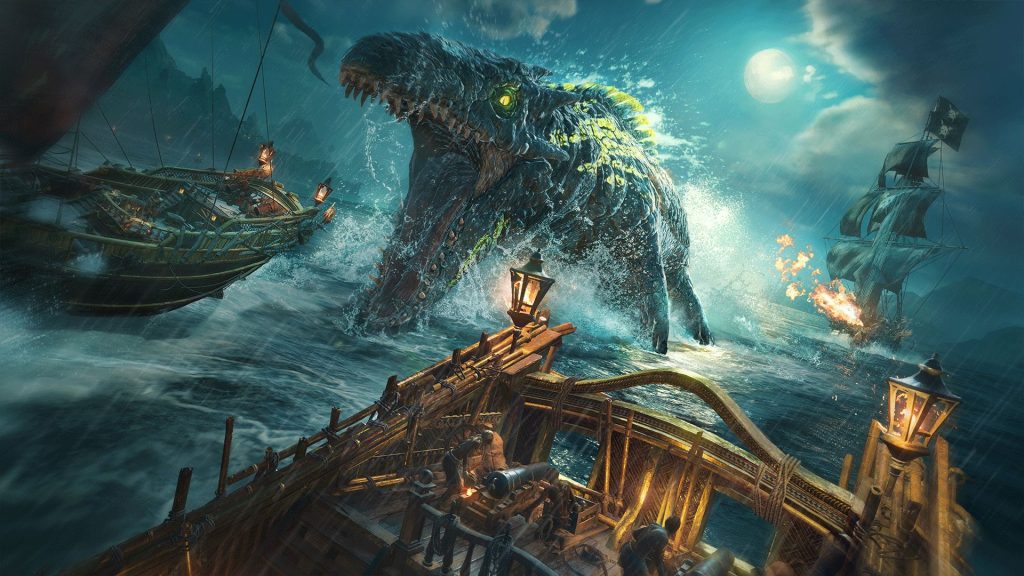
The actual gameplay takes place almost entirely at sea, where your avatar isn’t the human pirate—it’s the ship itself.
What the Gameplay Actually Looks Like
Once you shift your perspective to look at it as an action-RPG on water, the loop becomes clear. It is driven by gathering resources, upgrading your loadout, and engaging in tactical, numbers-driven naval warfare.
Tactical Ship Combat: Combat feels like a highly arcade-style, fast-paced evolution of Black Flag’s sailing. You manage different weapon groups mounted to your bow, stern, and broadsides (like demi-cannons, mortars, and torpedoes) while managing your stamina bar to brace against incoming fire.
The Resource Grind: Progression is deeply tied to gathering materials like acacia wood, iron bog, and specialised fabrics to build bigger hulls and higher-tier weapons. Gathering is handled via simple, ship-bound mini games rather than on-foot harvesting.
The “Infamy” Loop: You start as a stranded nobody and take on contracts from local kingpins to build your Infamy level. Higher Infamy unlocks blueprints for specialised ship builds. Turning your vessel into a tank, a long-range sniper, or a support healer.
An End-Game Live-Service Economy: The end-game shifts dramatically into an economic management simulator called “The Helm,” where you establish smuggling networks, fund rum and opium manufacturing facilities, and defend your trade routes from automated or rival pirate factions.

Why the Reception Was So Rough
Skull and Bones suffered because it was marketed as a grand pirate adventure while structurally functioning as a specialised live-service looter-shooter (or “looter-sailer”).
The removal of physical boarding actions (replaced by a brief cinematic cutscene when you hook a damaged enemy ship) gutted the classic swashbuckling fantasy that players wanted. Furthermore, locking harvesting mechanics to the ship and offering minimal reasons to explore on foot left the world feeling fragmented.
Who is Skull and Bones actually for?
If you want an immersive pirate lifestyle simulator, this isn’t it.
However, if you enjoy games like The Division or Diablo, you might be in luck. If you want that specific progression loop translated to high-seas naval tactics, there is a surprisingly competent, mechanically dense game hidden underneath the bad press.
It’s an arcade ship-combat RPG wrapped in a live-service coat of paint. Nothing more, and nothing less.
Skull and Bones is a really weird one. It’s actually a surprisingly fun experience, once you understand what it actually is.
We’re giving it some love this month and seeing how far we can go, perhaps the loop will get its claws into us? After a quick into, it felt quite good, and honestly, it’s always fun to do a bit of an investigative deep-dive on a game that we just don’t understand from the outset.
Skull and Bones will get either a review or a quick look, depending on how much we get into it. And we’ll see if we can put any guides or tips together, too.
