



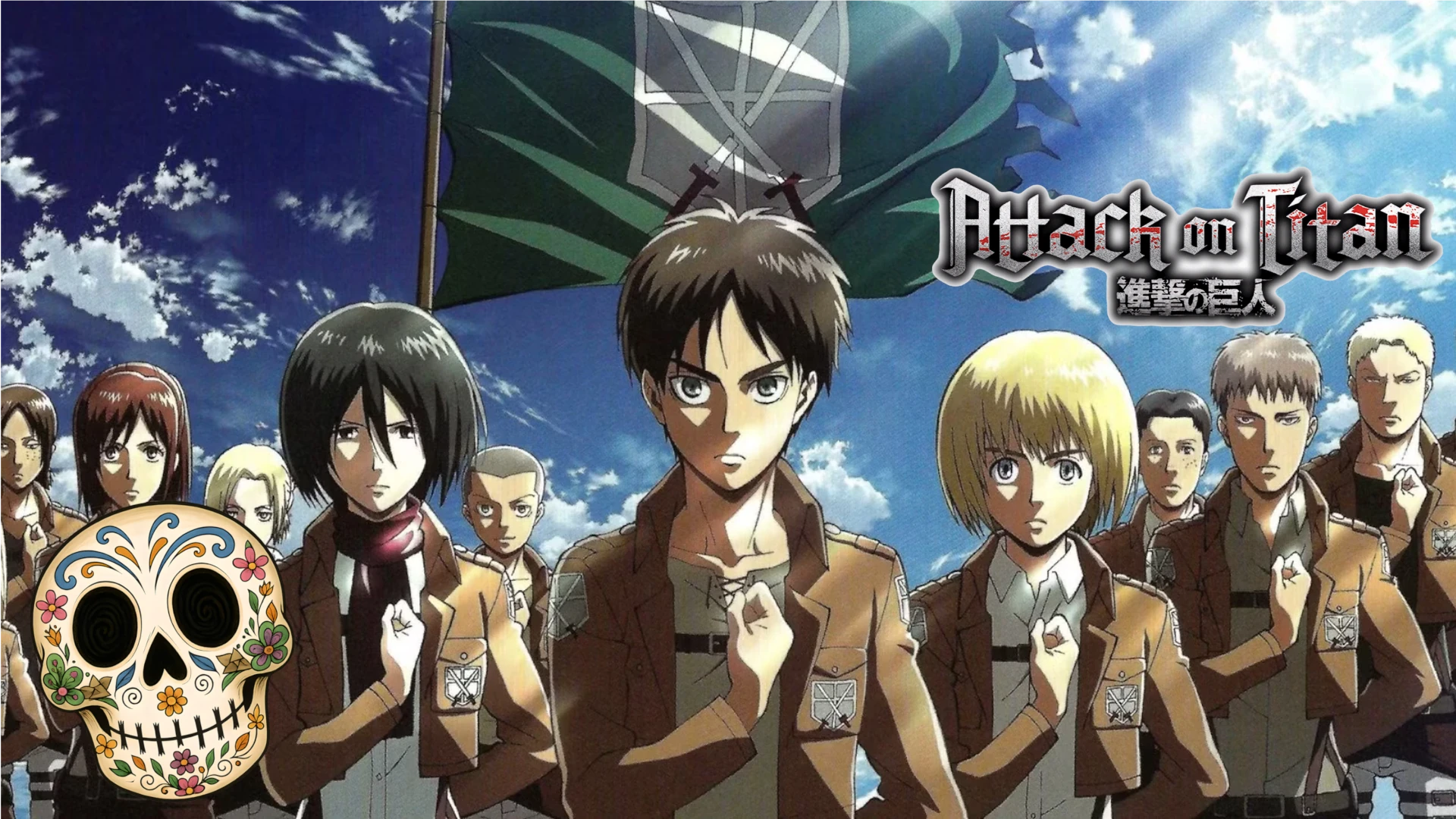
I called it “overrated”. I complained about the sluggish pacing, the relentless self-seriousness, and the vast oceans of exposition. But true to our word at Dying Art Media, I took advantage of Crunchyroll’s Ani-May deal, strapped on some ODM equipment, and binged Attack on Titan from start to finish.
Now that the dust has finally settled on Eren Yeager’s grand, chaotic plan, I have a confession to make: I was wrong. Kind of….
When viewed as a single, cohesive marathon rather than a fragmented, decade-long wait, Isayama’s epic holds up significantly better than I gave it credit for. Yet, as the final credits rolled, it also exposed a narrative that ultimately tripped over its own massive ambition.
Some of those initial complaints also still stand.
Attack on Titan – The Redemption
First, let’s give credit where it’s due. Experiencing the series without years of hiatus-induced fatigue changes the context entirely.
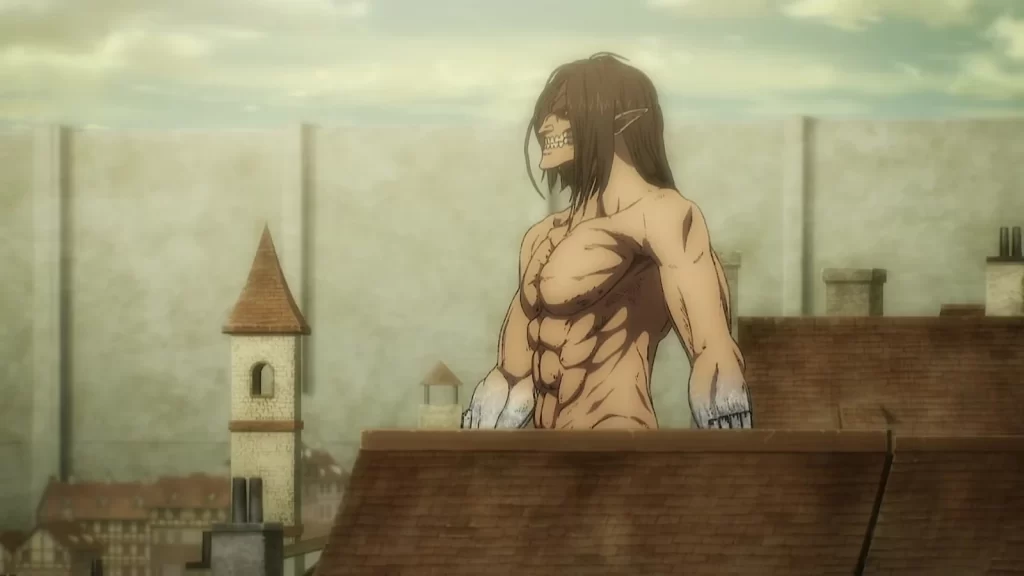
The middle act of the series, specifically Season 2, stands out as an absolute high-water mark for modern anime. The political intrigue inside the walls, the desperate gamble to retake Wall Maria, and the legendary showdown with the Beast Titan provided some of the most breathless, exhilarating television of the 21st century.
Character moments I previously dismissed as brooding suddenly carried genuine Iight, backed by Wit Studio’s (and later MAPPA’s) stunning, kinetic animation. When Attack on Titan hit its stride, it didn’t just walk; it soared.
There’s no doubt that Attack on Titan has some of the best animation I’ve ever witnessed. So utterly fluid with movement and visceral with the violence. Attack on Titan is legitimately special.
The Season 3 Pivot
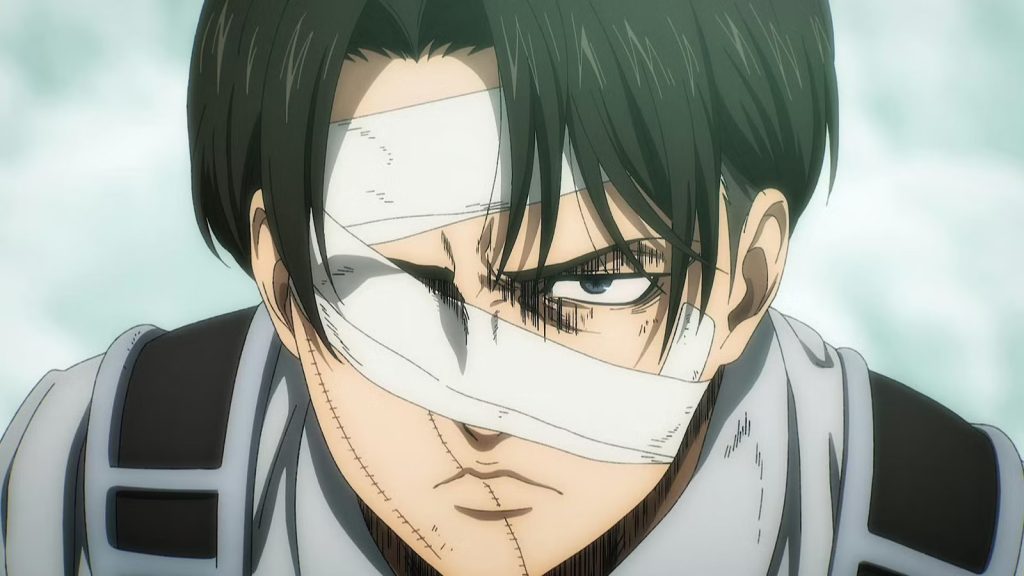
However, watching the series in close succession highlights a massive structural shift. By the end of Season 2, the core concept—humanity fighting monsters for survival inside a cage—had essentially run its course. The show needed to evolve, but the transition was jarring.
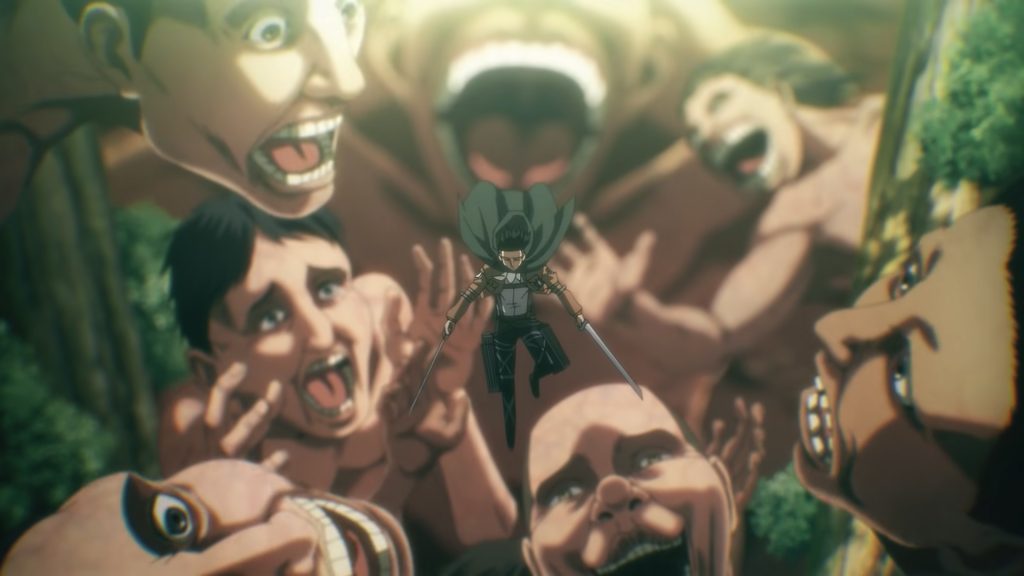
Season 3 felt crammed to the brim with an overwhelming influx of new ideas, lore, and geopolitical stakes. It was as if the story suddenly realised how much ground it had to cover before the finale. What could have been an incredible, slow-burn exploration of a wider world instead felt rushed, thrusting us into a completely different genre before I could fully process the secrets of the basement.
Attack on Titan felt like a victim of it’s own success. Whilst there we some exceptional moments and ideas, it all felt tacked-on. Like the original conceit was realised in the first two seasons, but expectations had mounted and there was this rush to make it into something more.
The Finale
Then, I have to talk about Eren Jeager and that divisive ending.
For a series that prided itself on subverting tropes and offering a ruthless, uncompromising world, the finale felt remarkably safe. Eren’s character arc underwent a whiplash-inducing transformation: from the Shonen hero kid, to the radical “emo” antagonist, and finally back to a tragic, benevolent martyr who did it all for his friends. Attack on Titan really took some turns.
To achieve this, the narrative leaned heavily on a sci-fi trope that has become entirely too commonplace: the cyclical timeline.
Like Mass Effect or Battlestar Galactica before it, the story ultimately threw its hands up and whispered, “This has all happened before, and it will all happen again.”
To make matters worse, the resolution relied heavily on the Founder’s memory-altering abilities, a mechanic only introduced late into the story. Watching Eren use these powers to retroactively visit his friends in a series of dreamlike conversations felt like a weak way out. Instead of a villain with the absolute conviction to see his dark plan through to the bitter end, we got a convoluted, watered-down compromise. He wanted to be the ultimate threat, but he also wanted to hold everyone’s hand and say goodbye.
This all ties back to the success of Attack on Titan essentially making it a behemoth that needed to land somehow. A Titan that needed steering, if you will.
None of it is bad, per se. It’s just disappointing when there was so much potential.
Overall
Is Attack on Titan worth your time? Yes. It is an undeniable triumph of animation, tension, and musical scoring that deserves its place in anime history.
But it is not the flawless masterpiece its loudest defenders claim. By trying to serve two masters, the grim reality of an unyielding monster and the safe, cyclical tropes of standard fiction, it left me feeling a bit flat. It’s a spectacular ride, but one that proves even the biggest Titans can stumble at the finish line.
All in all, I’ve come around on Attack on Titan. So I was wrong. But it did still continue to take itself too seriously and regularly fell flat because of it’s own dialogue and narrative. When it kicks into gear, there’s nothing else like it, and we have to take the rough with the smooth.
I’d happily start it again in the future and put it in that hallowed “re-watch semi-regularly” echelon. So that’s saying something. I’ll look forward to cracking a beer and taking-in the misadventures of Eren Jaeger again, for sure.