









It’s been a few hours now, and we’re starting to get to grips with what Skull and Bones actually is. And now it’s more about how we get to progress as effectively as possible. Whilst we’re not Pirate Lords yet, it feels like we have a good handle on the basics and we felt that the best thing we could do right now is share some tips with those looking to start their journey, too.
Stepping onto the docks of Sainte-Anne for the first time in Skull and Bones can be a bit overwhelming. You start as a disgraced castaway with nothing but a ragtag crew, a tiny dhow, and a spear. While the game does a decent job of holding your hand through the opening minutes, the Indian Ocean quickly opens up, leaving you to figure out the best way to build your empire.
To help survive the early hours and transition from a petty pirate to a feared Kingpin, here are five essential tips for getting off to a strong start.

Don’t Ignore the Main Story
When an open-world game gives you total freedom, the temptation is always to pick a direction, drop sails, and just start exploring. In Skull and Bones, that is a quick way to end up at the bottom of the sea. Trust us, we went the wrong way, got cocky, and suffered the consequences.
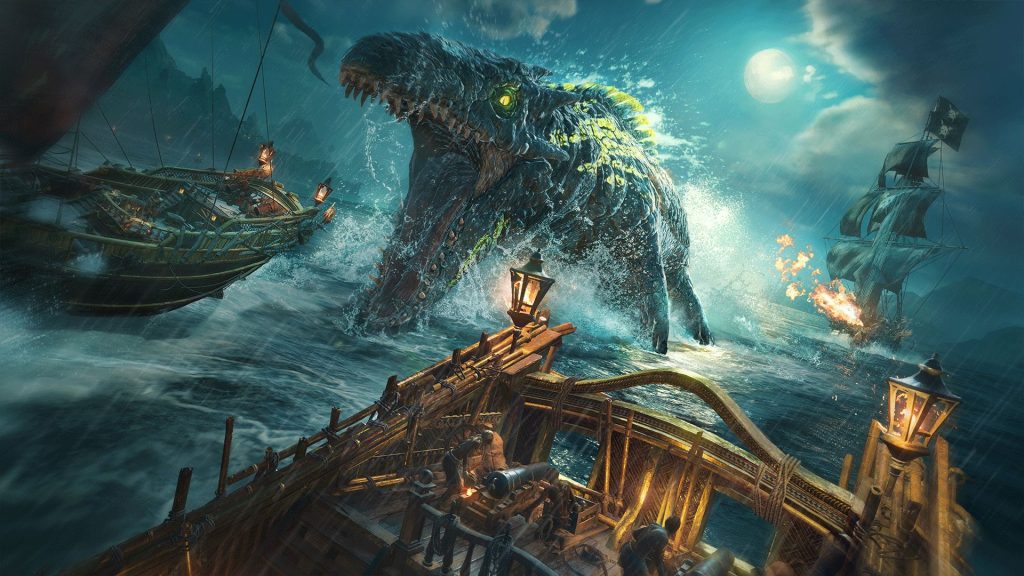
The early contracts given to you by John Scurlock in Sainte-Anne act as a crucial, extended tutorial. Following his storyline rewards you with essential ship blueprints, upgraded weaponry, and chunks of Infamy (your pirate level) that unlock better gear at local vendors. Stick to the main path until you have a solid, medium-sized ship before you start charting unknown waters.
Upgrade Your Tools Immediately
As you sail around, you will see trees, shipwrecks, and ore veins lining the coasts. Harvesting these resources is vital for crafting better hulls and weapons. However, the basic tools you start with harvest incredibly slowly and cannot gather higher-tier materials.
Prioritise visiting the Carpenter in Sainte-Anne to upgrade your Pickaxe, Saw, and Sickle to Tier 2 as soon as you hit the required Infamy level. Better tools mean faster harvesting mini games, less time sitting vulnerable near the shore, and access to the materials needed for sturdier ships.
This is pretty standard behaviour for those used to survival crafting games, but we would hazard that a lot of folk didn’t anticipate this kind of gameplay in Skull and Bones! Certainly we didn’t and once you understand the loop a bit, you realise how important this can be.\

Master the Spyglass Before Engaging
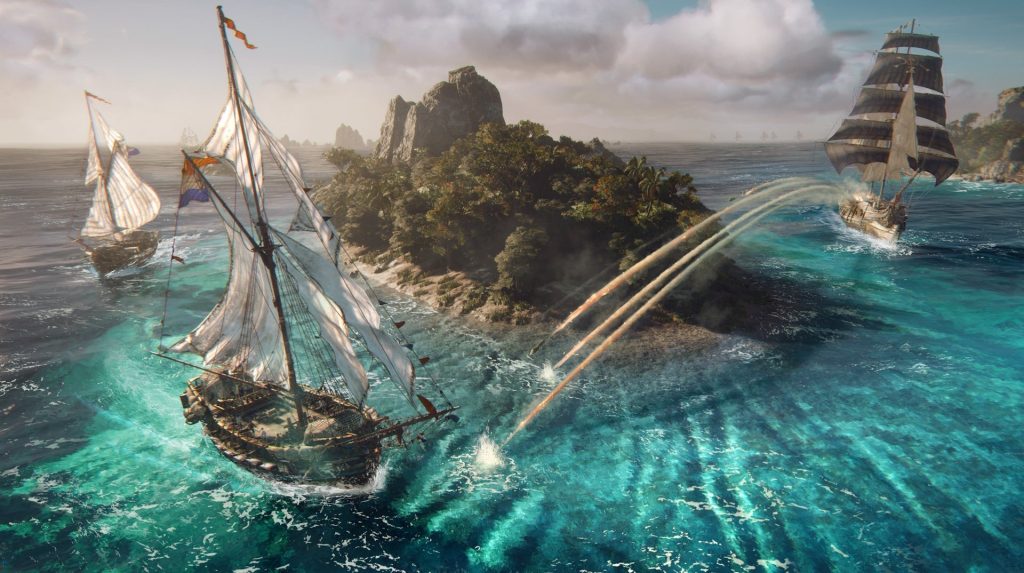
Combat in Skull and Bones isn’t just about who has the biggest cannons; it’s about picking your battles. Before you fire a single warning shot at a passing merchant ship, pull out your spyglass.
Looking at a ship through the spyglass reveals:
- Its exact faction and level (if it’s two or more levels above you, turn around).
- The exact loot it is carrying, letting you target ships holding specific materials you need for crafting.
- Its weak points (highlighted in red during combat), which deal massive bonus damage when struck.
In Skull and Bones, like anything else, knowledge is power and a quick glance can save some heartache, for sure. It’s obvious, but again, we’ve learned the hard way….
Cook Your Food and Manage Crew Stamina
Your crew needs stamina to trim the sails and maintain maximum speed. Sailing at full speed constantly drains this bar, and once it’s empty, your ship slows to a crawl.
While eating raw coconuts or fish provides a small stamina boost, cooking your food at a bonfire changes the game. Grilled items not only restore significantly more stamina but also grant passive buffs, such as a 10% reduction in stamina depletion or faster stamina recovery.
Always keep a stack of cooked meals in your cargo hold for long journeys or quick escapes.
Skull and Bones applies real-world logic, here. You have to fuel the machine to keep it running optimally. It’s as simple as that. And the better the fuel, the better the output.

Fund Your Journey with Plundering, Not Just Sinking
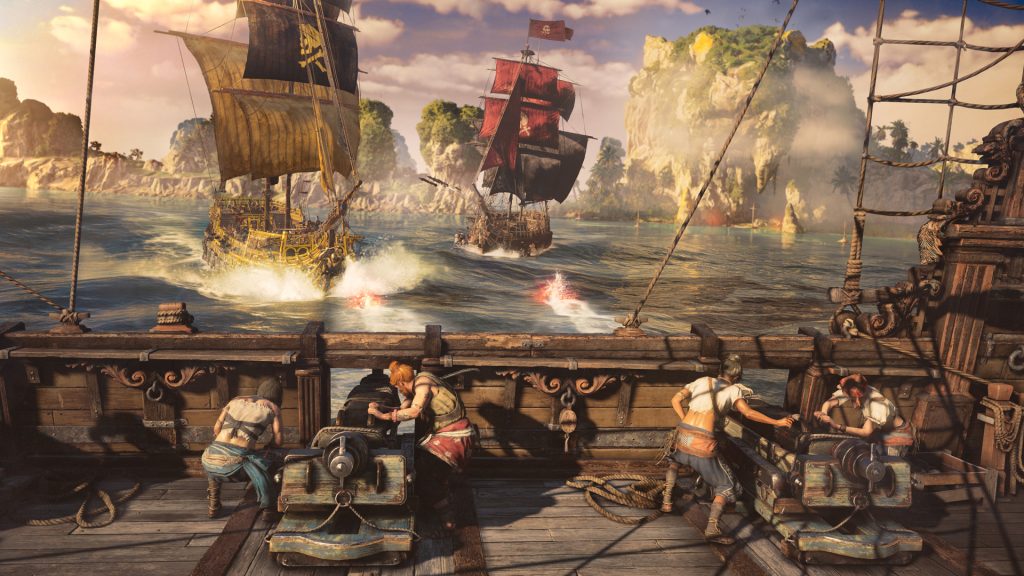
Sinking ships on the open ocean is flashy, but targeting small settlements and watchtowers for a Plunder is where the real early-game wealth lies.
When you initiate a plunder, you trigger a wave-based event where you defend a zone against incoming guard ships while your crew loots the location.
Succeeding walks you away with massive amounts of Silver, specialised crafting materials, and commodities that can be sold for a high profit at distant ports. Just make sure to clear the area’s defensive towers before you start the plunder to save your hull some serious damage.
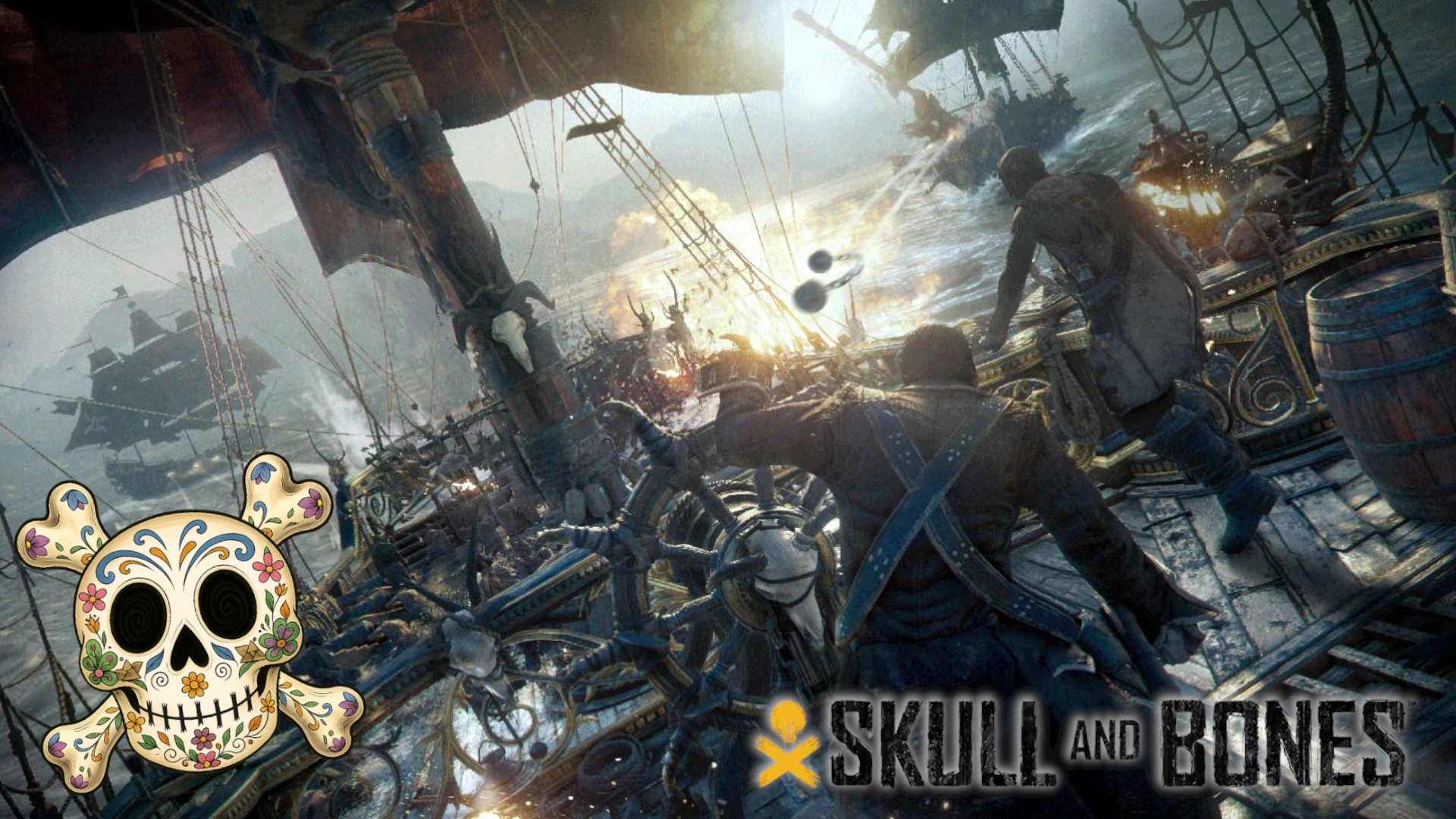
Skull and Bones
Skull and Bones is such a different game to what we had initially anticipated. Sure, we expected pirate ship battles, but it’s essentially an MMO that shares more in common with Destiny and Diablo than Assassin’s Creed Black Flag.
Playing this alongside Pirate Yakuza in Hawaii is actually a great shift of pace, with some cross-over gameplay styles. They’re share the common thread of being pirate-focused, but that’s just set dressing for the core mechanics and gameplay loops.
We’ll dive into Sea of Thieves again soon, and see how we can compare and contrast all three games!