











Pirates of the Caribbean! That’s our very loose link to pirates for this article. Although it’s not unrealistic to think that it would be consumed during times of piracy. In fact, coffee feels like an East India Trading Company staple. Whilst we have no idea whether or not any of that is true, we do know that Jamaican Blue Mountain Coffee is real, it’s delicious and it’s like black gold.
Jamaica Blue Mountain coffee is one of the most legendary, fiercely protected, and expensive names in the speciality coffee world.
Like a great beer, a great coffee can be one of the best experiences in your day.
The Terroir & Growing Conditions
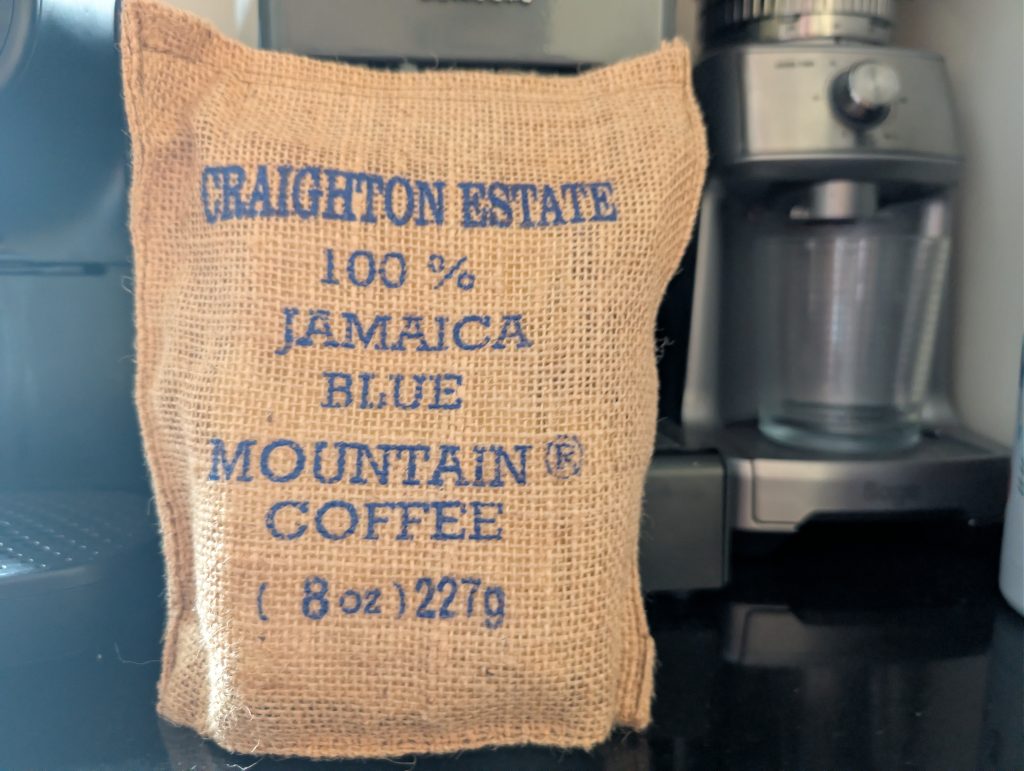
The reputation of Jamaican Blue Mountain coffee isn’t just marketing; it is a direct product of its highly specific, isolated microclimate.
To carry the official seal, the coffee must be grown in a strictly defined region of the Blue Mountains, spanning the parishes of Portland, St. Andrew, St. Mary, and St. Thomas. Crucially, it must be grown at elevations between 3,000 and 5,500 feet. Anything lower is classified simply as “Jamaica Supreme” or “Low Mountain.”
The mountains are perpetually shrouded in a dense, cool mist. This heavy cloud cover filters the intense Caribbean sun, drastically slowing down the maturation process of the coffee cherries. Instead of ripening quickly, the cherries take up to ten months to mature (nearly twice as long as standard coffee crops).
This prolonged growth gives the Typica variety (the primary Arabica cultivar grown here) an extended window to develop complex sugars, leading to a remarkably dense bean with an incredibly smooth, balanced chemical profile. This is where the Jamaican Blue Mountain Coffee
The steep, volcanic slopes offer exceptional natural drainage and are rich in minerals, forcing the coffee plants to push their roots deep into nutrient-dense ground.
Processing & The Famous Wood Barrels
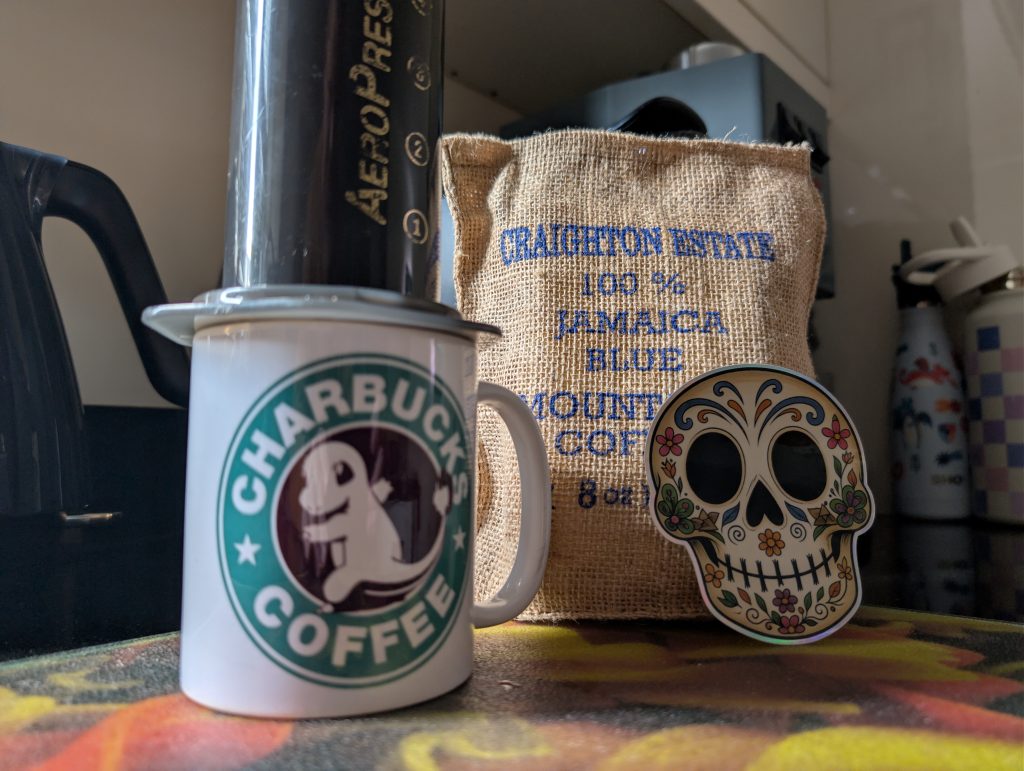
Unlike almost every other speciality coffee in the world, which is shipped in standard jute or sisal sacks, authentic Jamaica Blue Mountain is famously exported in handmade white oak wood barrels.
The Washing Method: Jamaican Blue Mountain is traditionally fully washed (wet-processed). After harvesting, the skin and pulp are completely stripped using water before the beans are dried. This clean processing method is vital because it strips away any external fruit notes, leaving the pure, unadulterated flavour of the bean itself to shine. It highlights the coffee’s inherent clarity, brightness, and lack of bitterness.
The Barrels: The wooden barrels aren’t just for show; wood helps stabilise humidity and temperature during transit across the ocean, ensuring the green beans don’t absorb ambient taints or sweat, which would ruin their delicate flavour balance.
What Makes it Famous?
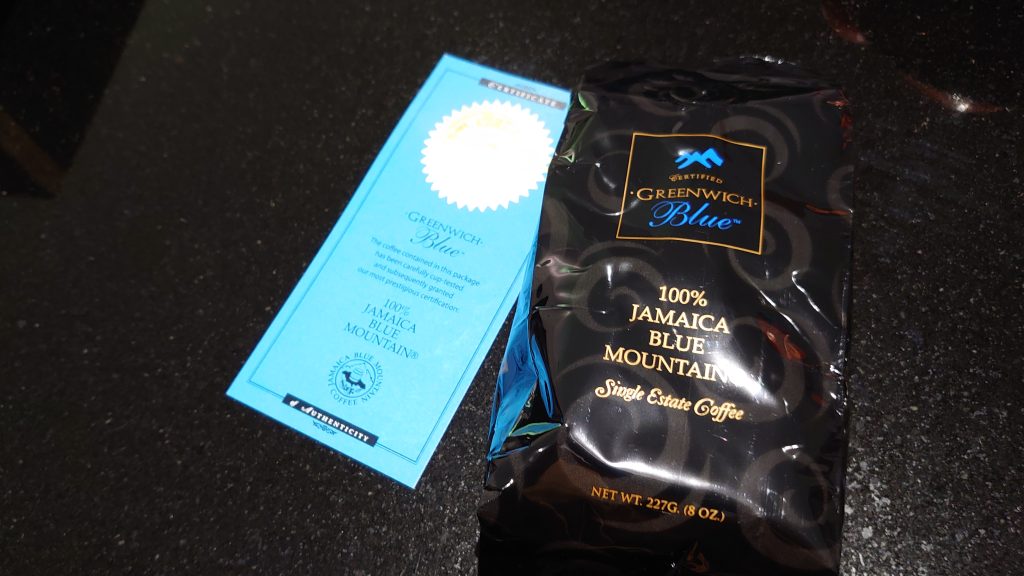
The hallmark of a great Jamaican Blue Mountain coffee is its absolute balance and clean finish.
If you’re expecting the explosive, fruity acidity of an Ethiopian Yirgacheffe or the heavy, earthy punch of a Sumatran, you will miss the point of Jamaican Blue Mountain Coffee. It is prized for the complete absence of harsh edges.
Aroma: Floral, sweet, with distinct notes of fresh herbs and nuttiness.
Taste: Mild, mellow, and silky-smooth. It features subtle notes of milk chocolate, hazelnut, and a gentle, refined citrus acidity (reminiscent of sweet lime or green apple).
The Finish: Remarkably clean with a natural, lingering sweetness and virtually zero bitter aftertaste.
The Roast Level
Because the flavours are so delicate and inherently mild, Jamaican Blue Mountain is incredibly easy to ruin in the roaster.
A Medium Roast is universally agreed to be the best way to honour the bean. A light roast can leave the coffee tasting overly thin, grassy, or under-developed, losing the smooth body it’s famous for. A dark roast (like a French or Italian roast) will completely incinerate the subtle chocolate and nutty nuances, replacing them with standard carbony, smoky oils.
If you roast Jamaican Blue Mountain dark, you are effectively paying a massive premium for a cup that tastes exactly like generic, over-roasted commodity coffee. Think about those shiny black beans from Starbucks. The coffee is fine, sure. But the flavour is from removing all the subtlety of all the beans in their blend.
The Economics: Why is it so Expensive?
Jamaican Blue Mountain regularly fetches anywhere from $50 to $120+ per pound (£40 to £100/kg) at retail. A few major economic levers drive this:
The Japanese Monopoly: Japan has a deep historical love affair with Jamaican Blue Mountain. The Japanese market traditionally buys up 70% to 80% of the entire annual harvest. This leaves the rest of the world fighting over a tiny fraction of the remaining yield, driving global prices sky-high.
Labour-Intensive Harvesting: The steep, mist-heavy terrain means mechanical harvesting is impossible. Every single cherry must be hand-picked on dangerous, near-vertical slopes.
Rigorous Quality Control: The Jamaica Agricultural Commodities Regulatory Authority (JACRA) strictly tests and tastes every single batch exported. If it doesn’t meet size, colour, moisture, and flavour standards, it is rejected.
How to Brew It to Perfection
To get the absolute most out of a coffee defined by its clarity and balance, the brewing method should favour precision and clean extraction.
The Golden Rules: Always use water filtered to around 150-200 TDS (Total Dissolved Solids) heated to 92°C – 94°C (198°F – 201°F). Avoid boiling water, which can scald the delicate sweetness.
Method A: Manual Pour-Over (Hario V60 / Kalita Wave)
This is the absolute best way to experience Jamaican Blue Mountain. A paper-filter pour-over isolates the clean, sweet profile and coaxes out the subtle floral and citrus notes.
- Grind: Medium (resembling sea salt).
- Ratio: 1:15 or 1:16 (e.g., 15g of coffee to 240g of water) to maintain a bright, clear cup character.
Method B: The AeroPress (Standard Method)
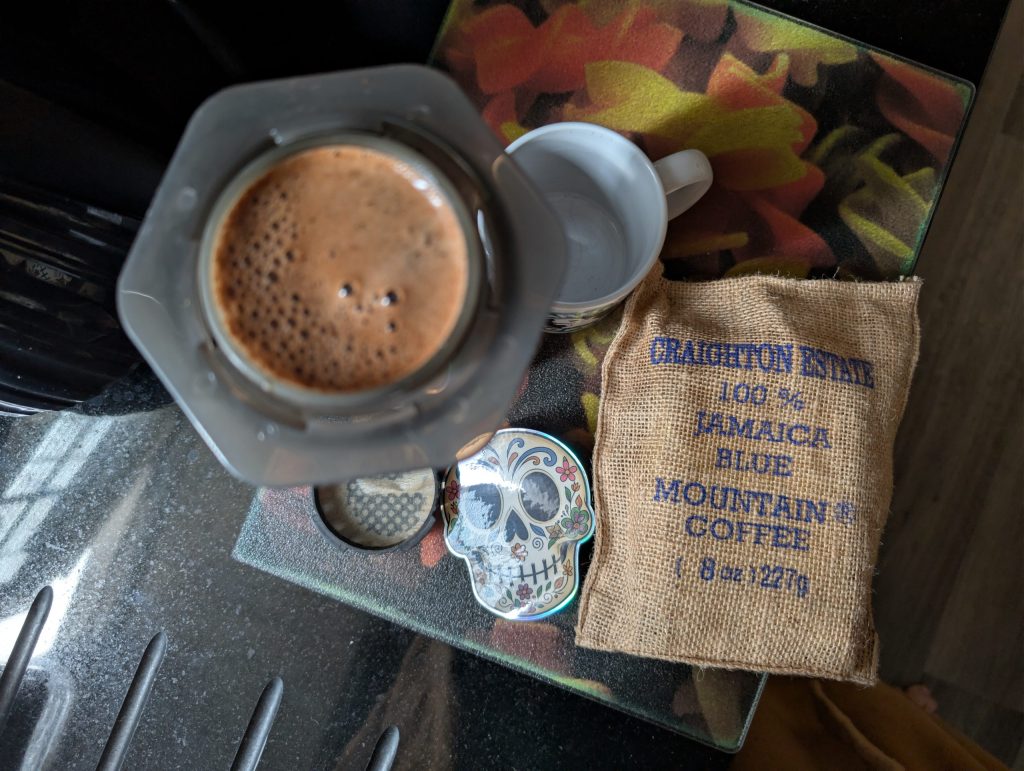
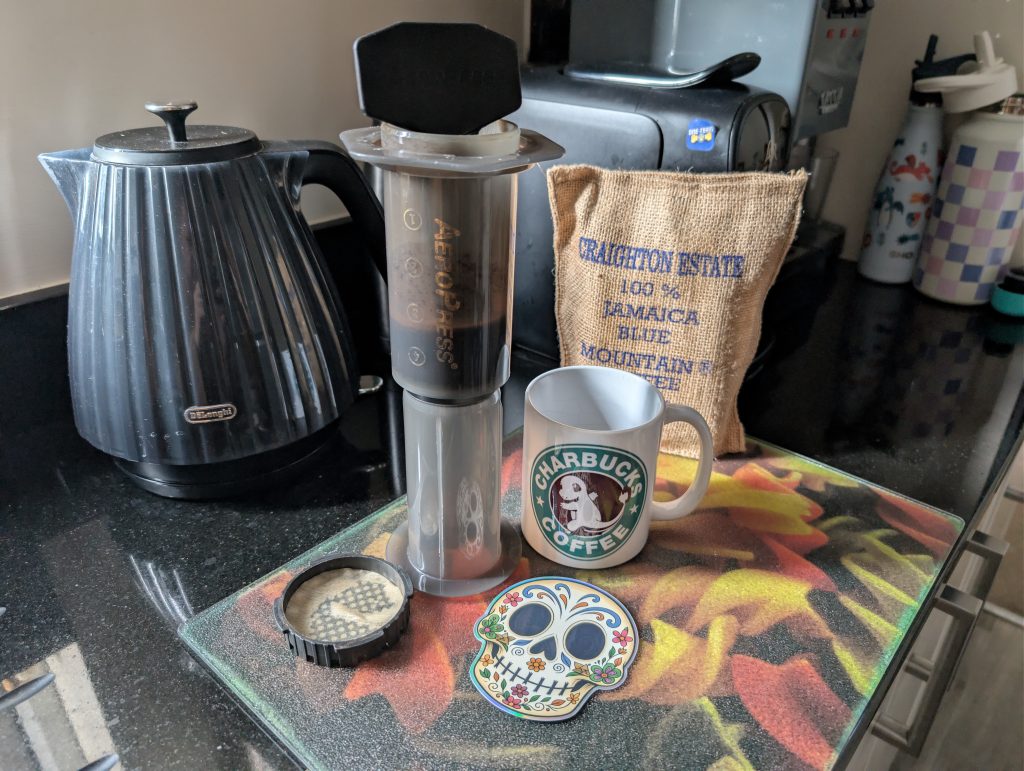
The AeroPress offers a bit more body while keeping the cup incredibly clean, thanks to its paper filter. It tames the acidity slightly and boosts the milk chocolate and hazelnut notes.
- Grind: Medium-fine.
- Ratio: 1:15, with a gentle 2-minute steep before a slow, steady press.
What to Avoid:
Avoid the French Press unless you use a secondary paper filter or a very clean technique. The metal mesh allows sediment and heavy oils into the cup, which can cloud the pristine clarity that makes Blue Mountain so celebrated.