











Bit Reactor’s upcoming turn-based tactics title, Star Wars: Zero Company, is aiming to bring the notoriously unforgiving strategy genre to a much broader audience ahead of its release. In a recent interview, key developers behind the project discussed how the team set out to break down traditional barriers in tactical RPGs while retaining the depth and challenge expected by strategy veterans.
Star Wars: Zero Company has become on of our most anticipated games this year, which is saying something when GTA VI and Ocarina of Time Remake are due out, too. So we’re doing our best to keep-up with the news and developer commentary. Here’s a breakdown of what Bit Reactor had to say to Game Central about Zero Company.
Lowering Barriers for a Broader Audience
One of the defining goals behind Zero Company is ensuring that players intimidated by complex grid-based strategy games could jump in without feeling overwhelmed.
Bit Reactor, a studio formed by industry veterans alongside developers with non-strategy backgrounds, built the title with a clear focus on accessibility, intuitive systems, and rich storytelling.
The studio deliberately paired developers who worked on classic tactics games with creators from story-heavy action titles like God of War and The Elder Scrolls Online. This combination of perspectives helped the team identify common genre friction points and smooth out mechanics that often turn casual fans away.
Character Synergy and Tactical Depth
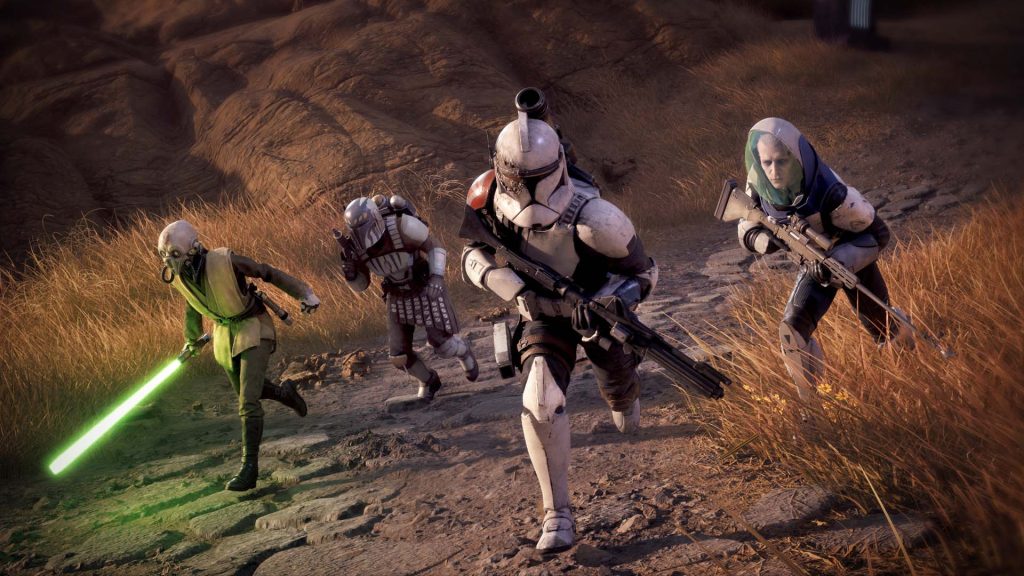
Set during the turbulent final days of the Clone Wars, Star Wars: Zero Company follows Hawks, a former Republic officer who leads a ragtag mercenary unit through high-stakes operations.
Tactical gameplay centres on an expansive roster of up to twenty operators spread across eight distinct classes, including Sharpshooters, Scoundrels, and Medics.
Squad members build bonds or navigate interpersonal friction through their actions on the battlefield and interactions between missions. These relationships directly influence combat performance, tying character arcs and squad dynamics straight into every tactical decision.
Cinematic Storytelling in the Star Wars Universe
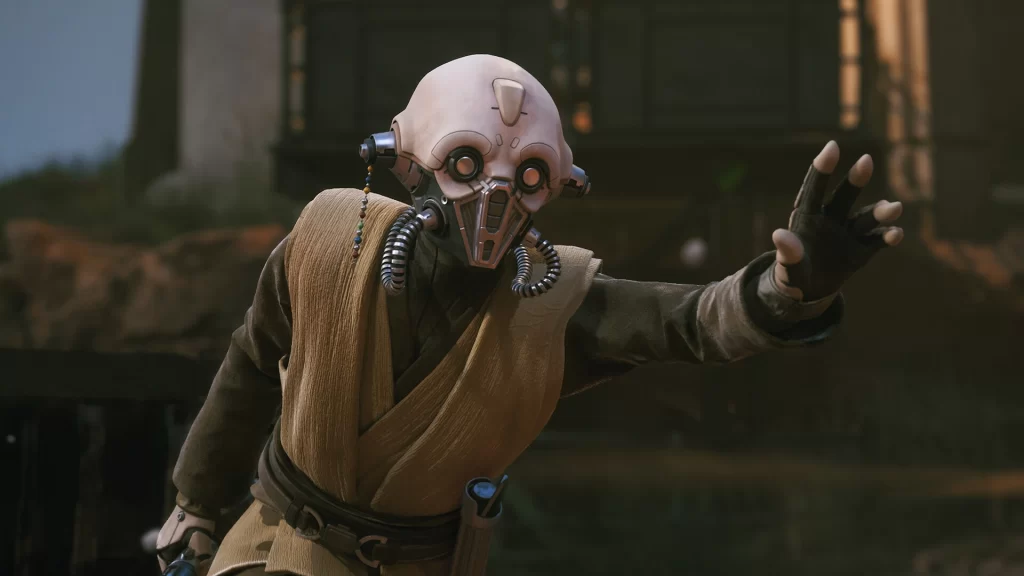
Rather than focusing purely on top-down strategic planning, the development team prioritised high-end visual presentation and emotional weight.
Dynamic camera angles, character-driven narrative arcs, and cinematic cutscenes are designed to pull players directly into the action. By blending deep team customisation with a cinematic narrative framework, Bit Reactor aims to deliver an entry point into turn-based tactics that feels distinctly tailored for both seasoned strategists and mainstream Star Wars fans.
If this is pulled off, Star Wars: Zero Company is going to deliver a tactical top-down experience that we’ve not had before. Star Wars universe aside, the narrative and cinematic elements could be what really elevates the game.

Star Wars: Zero Company
We suspect that the intersection of XCOM fans and Star Wars fans is pretty significant. Certainly, we fit nicely in that category. So the appeal alone will hopefully help the game do great numbers and have a solid launch.
Combined with a lot of the previews that have come out in recent weeks. There’s a massive amount of favourable content out there already as well.
Whilst we’ll see once we get our hands on a copy and do a full review (maybe a good one for streaming on Castyr?). Our expectations are high and our excitement is significant. Star Wars: Zero Company can’t come fast enough.
Beyond the facts and the process, some of the more anecdotal comments were interesting to hear, too.
The Reality of Making Strategy Games Casual-Friendly
Developing a tactical game that non-tactics players can enjoy sparked plenty of internal banter at Bit Reactor.
With a studio made up of both hardened XCOM veterans and action-game designers who had never touched a grid-based strategy title before, internal playtests of Zero Company often turned into comical real-time testing grounds.
Developers who usually worked on fast-paced action titles like God of War found themselves unexpectedly agonised over single movement tiles, proving that the classic strategy “one more turn” obsession catches up to everyone eventually.

Managing Intergalactic Workplace Drama
While running a high-stakes mercenary unit during the Clone Wars sounds intense, the game’s social dynamic system adds a surprisingly relatable layer of human (and alien) drama. Off the battlefield, players spend time at “The Den,” a sketchy underworld hub where squad members hang out between missions.
Managing your team turns into equal parts squad leadership and office HR: combat actions build trust, but pairing the wrong personalities together can lead to petty squabbles and awkward lingering tensions in the break room before the next drop.
This is giving us strong Marvel’s Midnight Suns vibes, in the best ways possible.
The Sand-Hating Guest Star and Customisation Chaos
The game features prominent cameos, including a mission pairing your squad up with Anakin Skywalker on Bespin, a scenario the team joked was ideal given Bespin’s total lack of sand.
Customisation also brings its own light-hearted quirks. While default lead protagonist Hawks starts as a standard human male, player customisation allows you to make Hawks a Twi’lek or Zabrak, leading to surreal narrative moments where alien mercenary leaders negotiate high-stakes political deals while wearing wildly customised, colourful gear kits.

Not long now
Star Wars: Zero Company is out on 27th August. So that’s next week if you’re keeping track. That’s not long at all, and at £39.99 on Steam, at launch, it even feels really nicely priced in 2026.
Time will tell, of course. But it feels like everything has aligned nicely and previews are incredibly favourable. It’s time to be allowed to get excited, we think.