











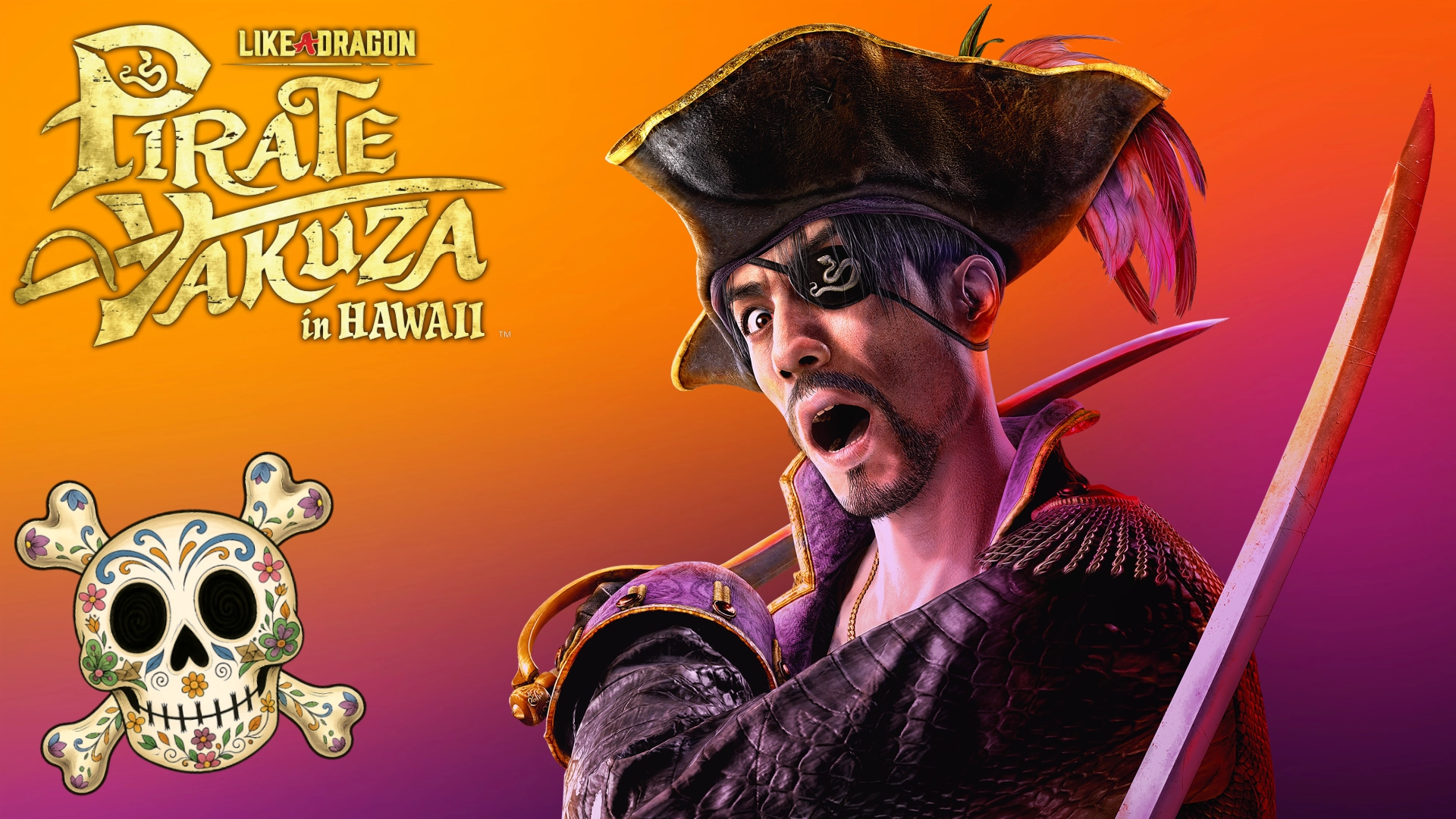
It’s done! I’ve rolled credits on Like a Dragon: Pirate Yakuza in Hawaii, and whilst I’ve written up thoughts and talked about how the game works. It’s time to put a cherry on the top and finish the review.
In short Like a Dragon: Pirate Yakuza in Hawaii is excellent. There’s no two way about it.
It’s single-handedly made me re-think the entire Yakuza series and given me a fun pirate adventure both at home and on the go. With loads left to go back to if we so desire (we want to but it’s unlikely as we move to new games), there are hours and hours of gameplay if we wanted.
The game ends nicely, tying-up the main narrative and giving some closure to the main characters. Plus, there’s an in-credits dance sequence, naturally…..
Like a Dragon: Pirate Yakuza in Hawaii
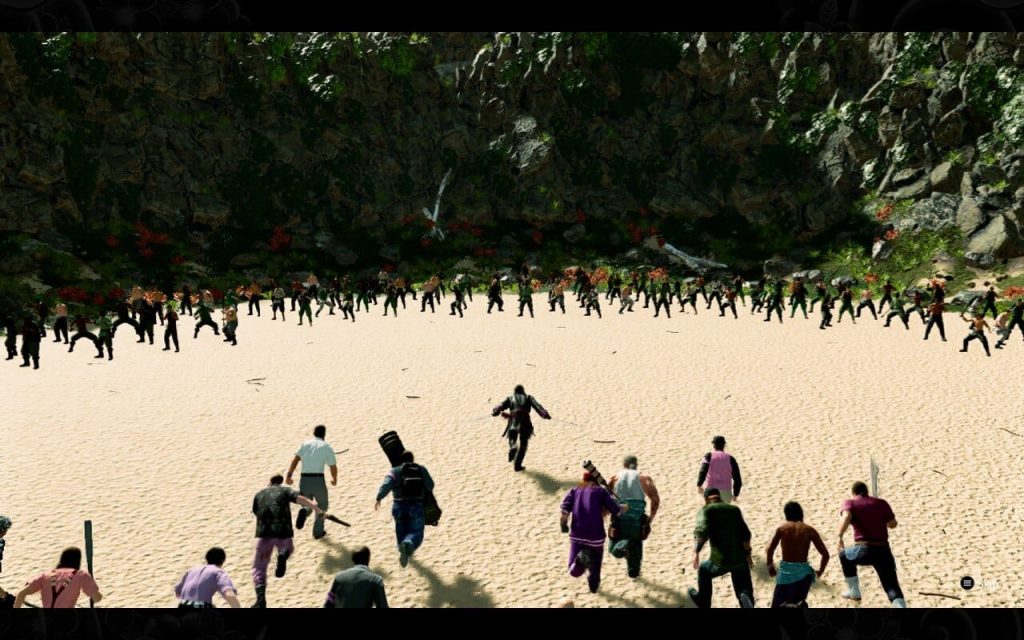
The story begins with Goro Majima washing ashore on Rich Island, near Hawaii, devoid of any recollection of his notorious past as the Mad Dog of Shimano. Rescued by a young boy named Noah. And (naturally) Noah’s pet baby tiger, also named Goro. Majima is swiftly drawn into a brewing conflict involving local criminal syndicates, modern sea bandits, and hidden treasures buried across the Pacific.
Whilst an amnesia storyline can often feel like a tired trope, RGG Studio uses it to strip back decades of baggage, allowing a slightly more reflective side of Majima to shine through without sacrificing his volatile charisma.
The core narrative delivers genuine emotional weight, particularly through Majima’s protective, almost paternal bond with Noah and the lingering themes of finding purpose when everything familiar has been stripped away.
Yet, in true series fashion, emotional poignancy never stays serious for too long. The game effortlessly pivots from quiet, heartfelt moments about legacy and friendship to scenes where Majima leads a ragtag crew in a musical number aboard their vessel, the Goromaru. It is precisely this juxtaposition, balancing deep character sentiment with unadulterated wackiness, that gives the narrative its unmistakable flavour.
I couldn’t tell you the last time a game had us laughing at such silliness yet also watching more sincere moments within literal minutes of themselves. Pirate Yakuza in Hawaii highlights exactly why people love the Yakuza series. It’s serious and unserious all at the same time.

So much to do!
As I understand it, side-activities are the lifeblood of the series, and Pirate Yakuza in Hawaii offers a mountain of content to lose yourself in.
Returning to a vibrant, meticulously detailed Honolulu alongside new island outposts, the map is littered with quirky sub-stories, mini-games, and collectible treasures.
Sub-stories are a highlight, leaning heavily into the series’ trademark irreverence. One hour you might be helping a phantom pirate find inner peace, and the next you are managing a crew of eccentric oddballs recruited from across the archipelago. Being a Pirate Yakuza, is kinda crazy.
Between high-octane sessions of Dragon Kart, delivery challenges, and series staple karaoke sessions, the sheer volume of side-content guarantees hours of distraction whenever you want a break from the main campaign.
We finished the core of the game with a small sprinkling of side-content in just over 21 hours. With a very easy 20+ more hours available to go at. We could have done more shipmate recruitment, more deliveroo-style delivery, more pirate treasure hunting. You name it. It would have been incredibly easy, and fun to play more.
Looks good & Feels Good
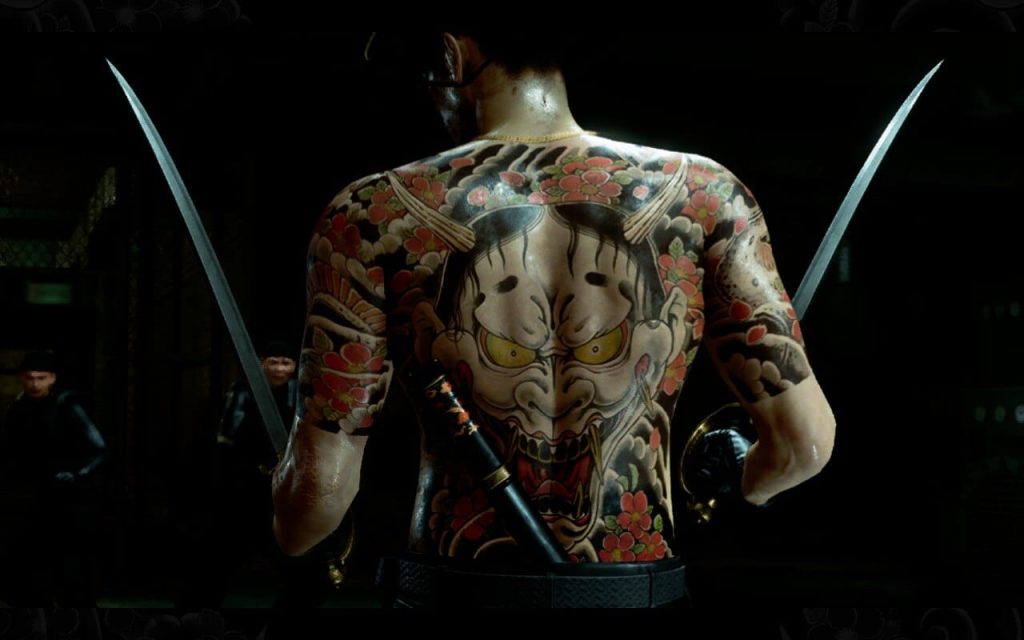
Powered by the latest iteration of the Dragon Engine, the game runs remarkably well across current-generation hardware. Honolulu sparkles under the Hawaiian sun with rich colours, highly detailed character models, and vibrant environmental lighting.
Performance remains fluid and responsive, maintaining a rock-solid 60 frames per second even during chaotic deck brawls with dozens of combatants on-screen. Combat inputs feel immediate, and load times between urban streets and ship interiors are minimal, ensuring the breezy pacing is rarely disrupted.
It played like a dream on the Steam Deck, too. Which is actually where I played the bulk of Like a Dragon Pirate Yakuza in Hawaii.

Overall
Look, this game has made me re-think the entire Yakuza series. It’s got me thinking about whether or not we need to buy all of the others and aim to play through them at some point. That’s crazy.
Alternatively, to my knowledge, this could be the best of the series with the traditional combat and gameplay. So now I need to at least benchmark it against another game in the Yakuza series.
Like a Dragon Pirate Yakuza in Hawaii has clearly impressed me, and it’s been fun, heartfelt and engaging. It tied-in nicely with Pirate Month, sure. But it’s been much more significant than that.
This is now in consideration for one of our favourite games of the year. That’s no joke!
DAM that’s excellent.