








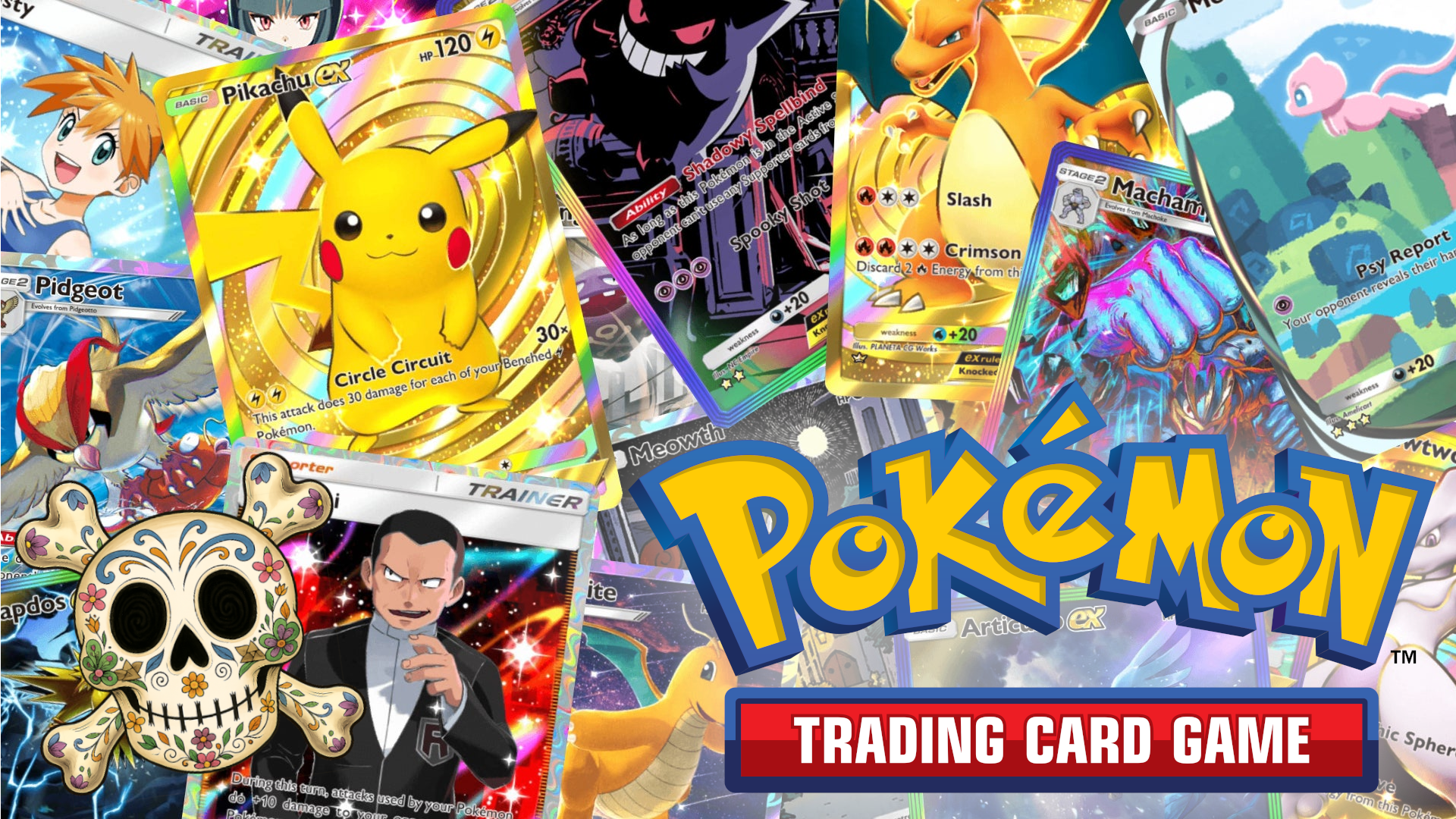
If you’ve tried buying a pack of Pokémon TCG cards recently, you already know the story. You walk into your local shop, head to the toy aisle, and find empty wire racks, torn cardboard packaging, or a paper sign limiting purchases.
If you’re lucky enough to find a vending machine or a restock, you might witness something even worse: adults practically tackling each other to load armfuls of sealed boxes directly into shopping carts before anyone else gets a turn.
What used to be a simple, nostalgic hobby designed to bring joy to kids and casual collectors has turned into a hyper-capitalist free-for-all. Pokémon TCG isn’t what it once was.
Between relentless scalping, inflated secondary markets, and the toxic influence of clout-chasing content creators, the Pokémon Trading Card Game (TCG) is facing a crisis of identity, and the actual fans are the ones paying the price.
Scalpers, Vending Machines, and the Demise of Casual Collecting
The heart of the problem is simple: scarcity driven by greed.
It used to be that a child could take their pocket money, walk down to the newsagent or supermarket, and buy a single Pokémon TCG pack featuring their favourite Pokémon.
Today, kids are regularly priced out of their own game. Booster packs that used to cost a few pounds or dollars are snapped up the second they hit shelves, only to be marked up by 200% or 300% on reseller platforms.
The behaviour at retail locations has spiralled out of control:
Store Clearing: Scalpers tracking restock schedules, camping outside stores before opening, and buying out entire shelf displays in seconds.
Vending Machine Camping: Automated Pokémon TCG vending machines (meant to make buying packs fair and accessible) are routinely monopolised by people camping out for hours to clear the machine’s inventory for profit.
Hostile In-Store Environments: Staff are subjected to abuse, and everyday shoppers are pushed aside by aggressive buyers treating a children’s card game like an institutional stock exchange.
When a 9-year-old can’t buy a single pack of Pokémon TCG cards because a 30-something reseller cleared the entire shelf to turn a £20 profit on eBay, the system is fundamentally broken.
“Pack Ripping” and the Culture of Discard
The internet has played a massive role in normalising this toxic behaviour.
“Pack ripping” and live break streams have dominated social media, transforming the act of opening cards from a thoughtful pastime into pure, unadulterated gambling.
Watch a high-profile influencer open a modern booster box. They don’t look at the art. They don’t care about the illustration rares, the commons, or the playable Pokémon TCG cards that form the actual engine of the tabletop game.
They flick through the cards at breakneck speed, tossing dozens of beautiful art pieces onto the floor or into trash bins, purely searching for the single high-value “chase card.”
“If it isn’t worth three figures, it’s garbage.”
This is the explicit message being sent to millions of impressionable viewers every day.
This relentless focus on monetary value strips the hobby of its soul. It teaches new collectors that cards are only as good as their resale price, ignoring the artistry, nostalgia, and fun that made the TCG popular in the first place.
Influencers, Clout, and Artificial Market Hype
High-profile collectors and investors have turned the Pokémon TCG into a speculative asset class.
By flexing massive collections, staging multi-thousand-dollar breaks, and declaring certain cards as “must-haves,” influencers create artificial demand and panic among casual buyers.
- Market Manipulation: Prominent figures buy up large quantities of a specific card or set, hype it up on stream, and watch as prices skyrocket due to Fear Of Missing Out (FOMO).
- “Investment” Framing: Cards are no longer framed as collectibles or game pieces. They’re touted as “alternative investments,” drawing in bad-faith actors who care nothing about Pokémon and everything about profit margins.
- Priced-Out Veterans: Long-time collectors who have loved the franchise for decades find themselves unable to complete sets or purchase single cards they love because prices have been pumped to astronomical levels.
Where Do We Go From Here?
The Pokémon Company has taken steps. Increasing print runs, setting up queues, and enforcing stricter retailer guidelines. But as long as the secondary market rewards predatory behaviour, the problem persists.
The Pokémon TCG was built on trading, playing, and sharing a mutual love for a world full of wonderful creatures. Returning to those roots requires a cultural shift:
Support Local Game Stores (LGS) that cap purchases, prioritise local play communities, and refuse to feed into scalper pricing. These are often independent and in it for the love of it, not for massive profits.
Reject Clout-Driven Content: Stop engaging with streamers who view cards purely as lottery tickets and instead support creators who highlight art, gameplay, and accessible collecting.
Focus on the Fun: Collect the cards you genuinely love, regardless of their market value or rarity symbol.
The TCG shouldn’t be an asset portfolio or a battleground for retail aggressive behaviour. It’s time to take the game back from the scalpers and give it back to the fans (young and old) who just want to open a pack and feel that magic again.
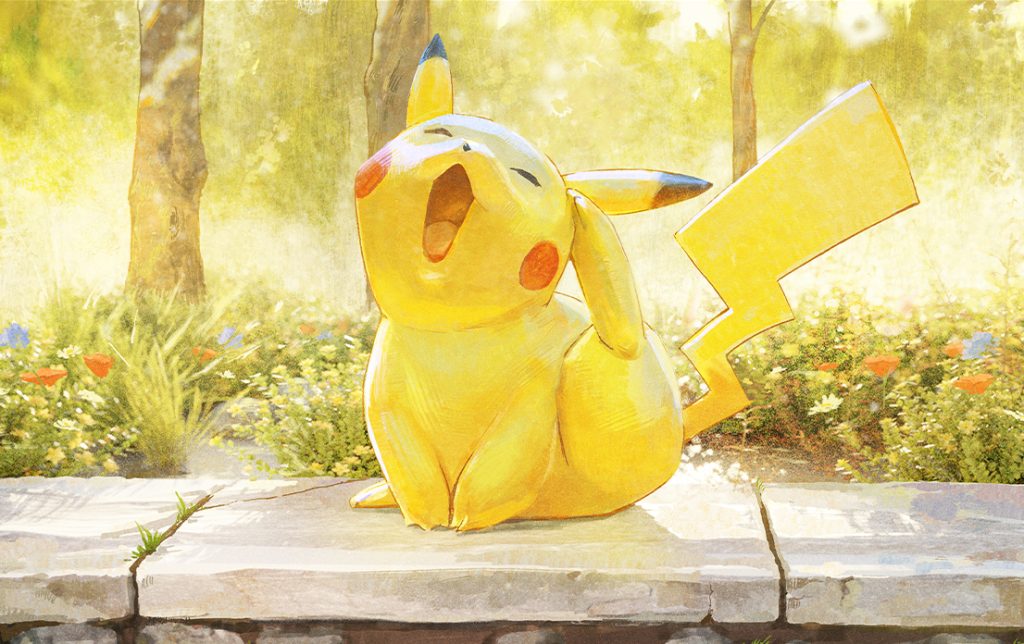
Play Pokémon TCG
One final bug-bear, but one of far less importance, is that of the fact that so many people don’t even play the wonderful game itself.
It’s fine, right? Collect what you like and enjoy them, but you can build a new value and dynamic with the hobby by looking at how they can be used.
There are great ways to on-board, and whilst it isn’t a massively complex game. Pro players and modern decks can be pretty intimidating.
Just build a deck from what you have and play with like-minded friends. It’s so much fun, and it’s the heart of the entire Pokémon TCG.
