






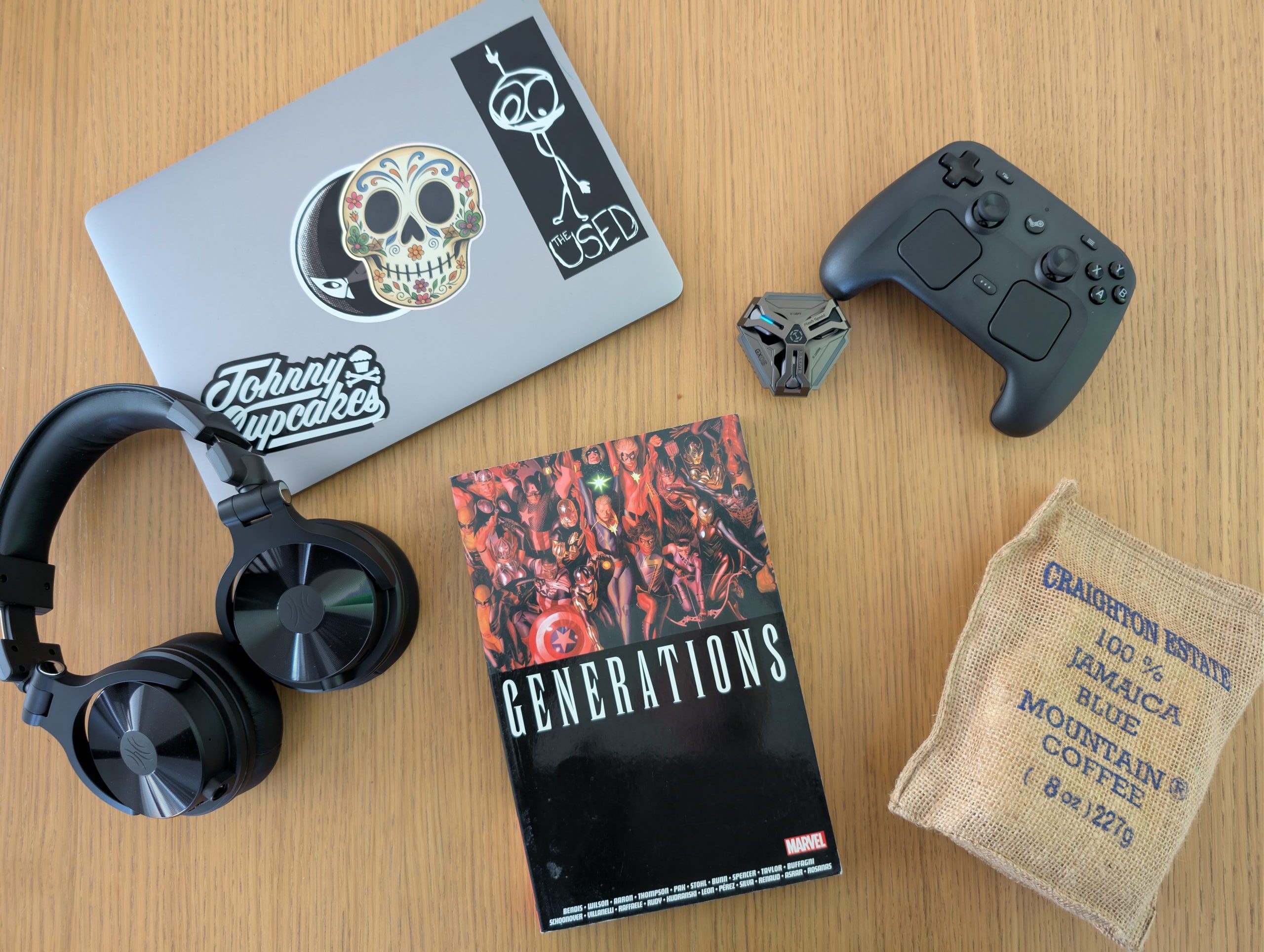
The concept of Generations was enough to get me excited at the prospect of seeing some cool cross-over stories.
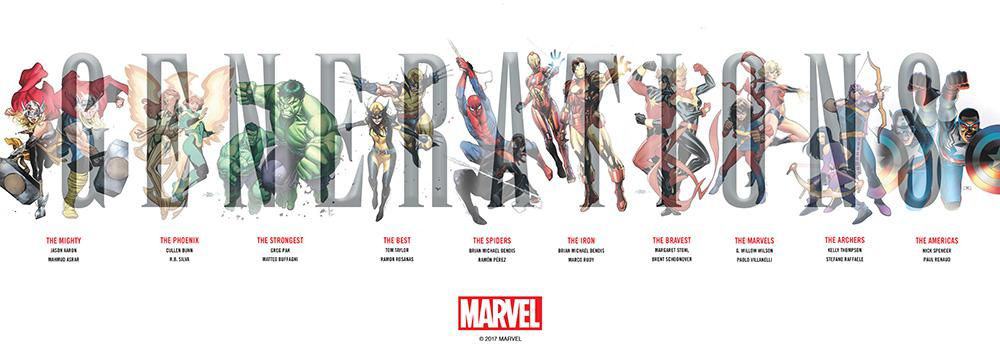
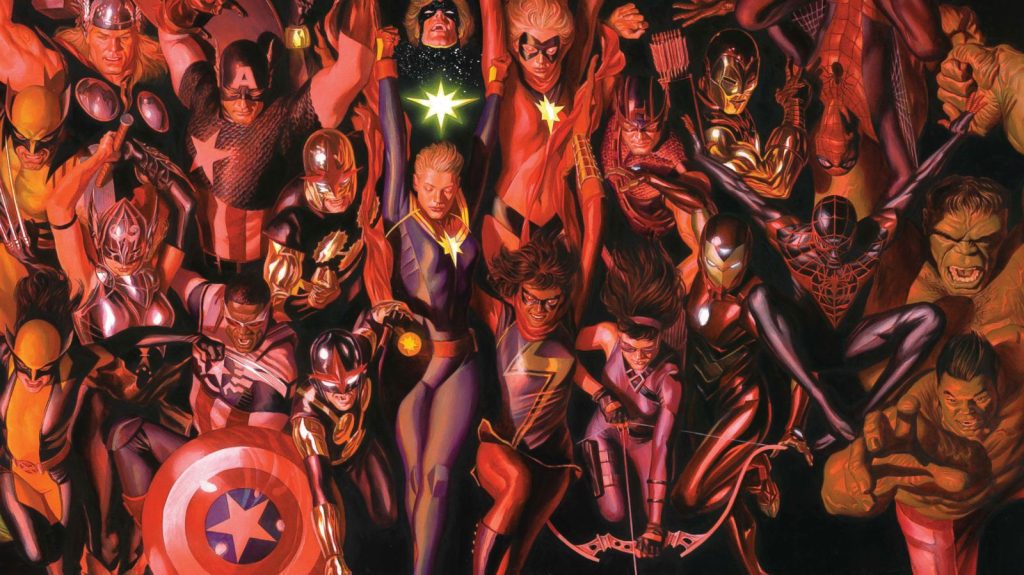
So when Marvel released Generations (a massive, 325-page anthology meant to bridge the gap between classic icons and their modern torch-bearers) the promise was massive.
We were going to see the ultimate pairing of legends: Bruce Banner and Amadeus Cho, Logan and Laura Kinney, Peter Parker and Miles Morales.
On paper, it’s a comic book fan’s dream sampler platter. In practice, it’s a beautifully illustrated, sometimes heartfelt book of nothing substantial
The Good
Let’s give credit where it’s due. The individual stories within Generations are pretty good. In fact, when the book slows down enough to let its characters breathe, it produces some genuinely heartfelt, resonant character work.
The highlight of the entire collection belongs to the legacy writers who know these characters inside and out. G. Willow Wilson crafts a wonderfully nostalgic, 1970s-infused team-up between Carol Danvers and Kamala Khan that feels like a vibrant love letter to different eras of feminism.
Tom Taylor’s work on the Wolverines delivers exactly the kind of quiet, poignant emotional weight you want from a passing of the mantle.
The weight of Sam Wilson’s cross-over, and impact on him long-term is something i’d love to see explored. He lived a whole different life.
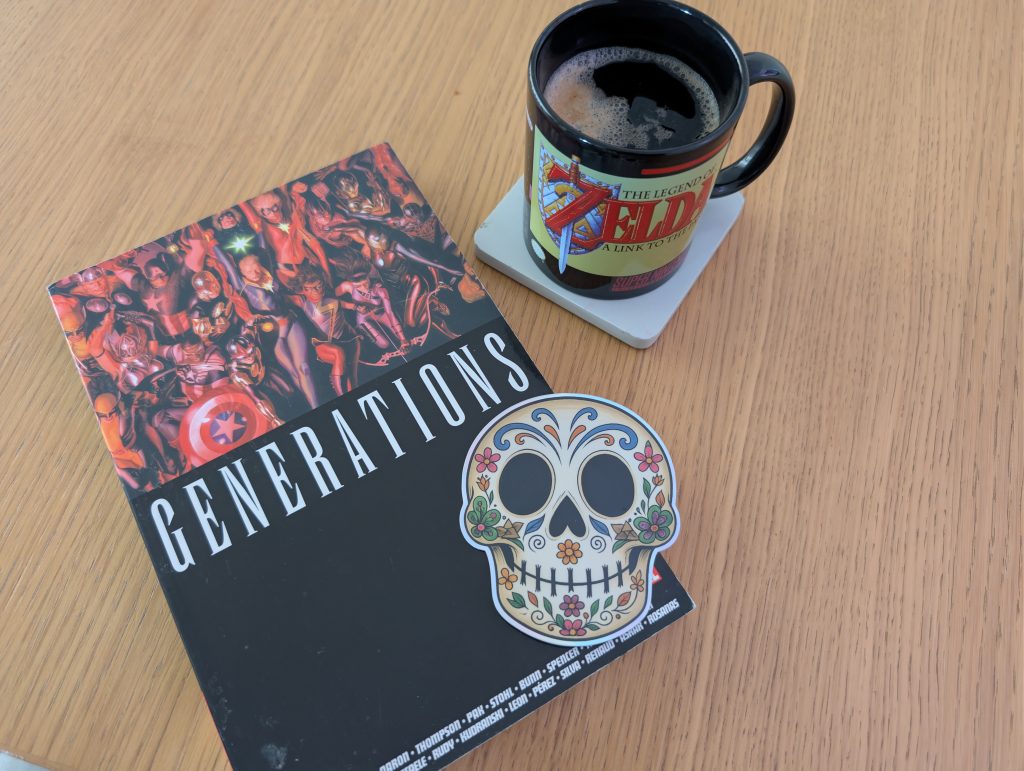
Visually, the book is a treat. Handing the keys to top-tier artists like Ramon Perez and Mahmud Asrar ensures that even when the narrative stumbles, the pages remain stunningly dynamic.
Perez, in particular, does a brilliant job channeling classic Marvel layouts during the Spider-Men vignette.
So as individual parts, Generations is actually lovely. It looks great, you have some solid story and moment to moment interactions and dialogue. But it is not a sum of it’s parts. Generations doesn’t feel cohesive at all, and it’s distracting.
But why?
A great anthology needs a spine, and this is where Generations completely fractures.
The book treats its central premise (legacy heroes being plucked out of their timelines to meet their predecessors) with a frustrating level of narrative hand-waving.
Characters simply appear and disappear without rhyme, reason, or cosmic cause. One minute a hero is in the middle of a modern crisis, the next they are dropped into the past via vague “sci-fi reasons,” only to be snapped back a few pages later.
There is no ultimate beginning to anchor the stakes, and no definitive ending to reward your time.
The Core Flaw: While it’s lovely to witness these isolated pockets of growth and nice emotional beats for the heroes affected, the book lacks any structural connective tissue.
Because the overarching event is treated as a fleeting dream sequence, it strips the book of any lasting stakes. Once the final page turns, you are left wondering what the point of the journey even was.
There’s no core explanation as to why this happened, and more importantly, no meaningful exploration of how these encounters actually impact these heroes later in life.
Implications are fine, and let’s be honest the Marvel universe is so vast, you can easily say the impact is felt by these interactions elsewhere at some point. I could have easily missed the juncture where these narratives are expanded elsewhere, but that feels like a waste of exposition when Generations would have benefitted from it.
The Verdict
Generations functions reasonably well if you treat it strictly as a superficial translation key for the modern Marvel landscape. It’s a way to see where these characters overlap and where they differ.
But as a self-contained graphic novel, its refusal to commit to a solid narrative foundation makes it a frustrating read.
It’s an anthology built on fleeting highlights, leaving the reader with a collection of great conversations that the rest of the universe immediately forgets ever happened.
This is surely the biggest flaw of any anthology. I just expected that perhaps Generations, with the writing and publishing pedigree here, would be different. That’s on me.
The individual stories are mostly good, the colouring and artwork are consistently lovely. It’s hard to complain that Generations isn’t a good book. It just isn’t top-tier.
Plenty of pages for your money, which is a factor, for sure. But the substance is fleeting and no narrative tissue to connect the parts as a whole, mean it’s not quite what we had hoped.