
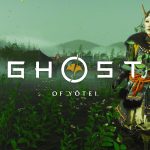







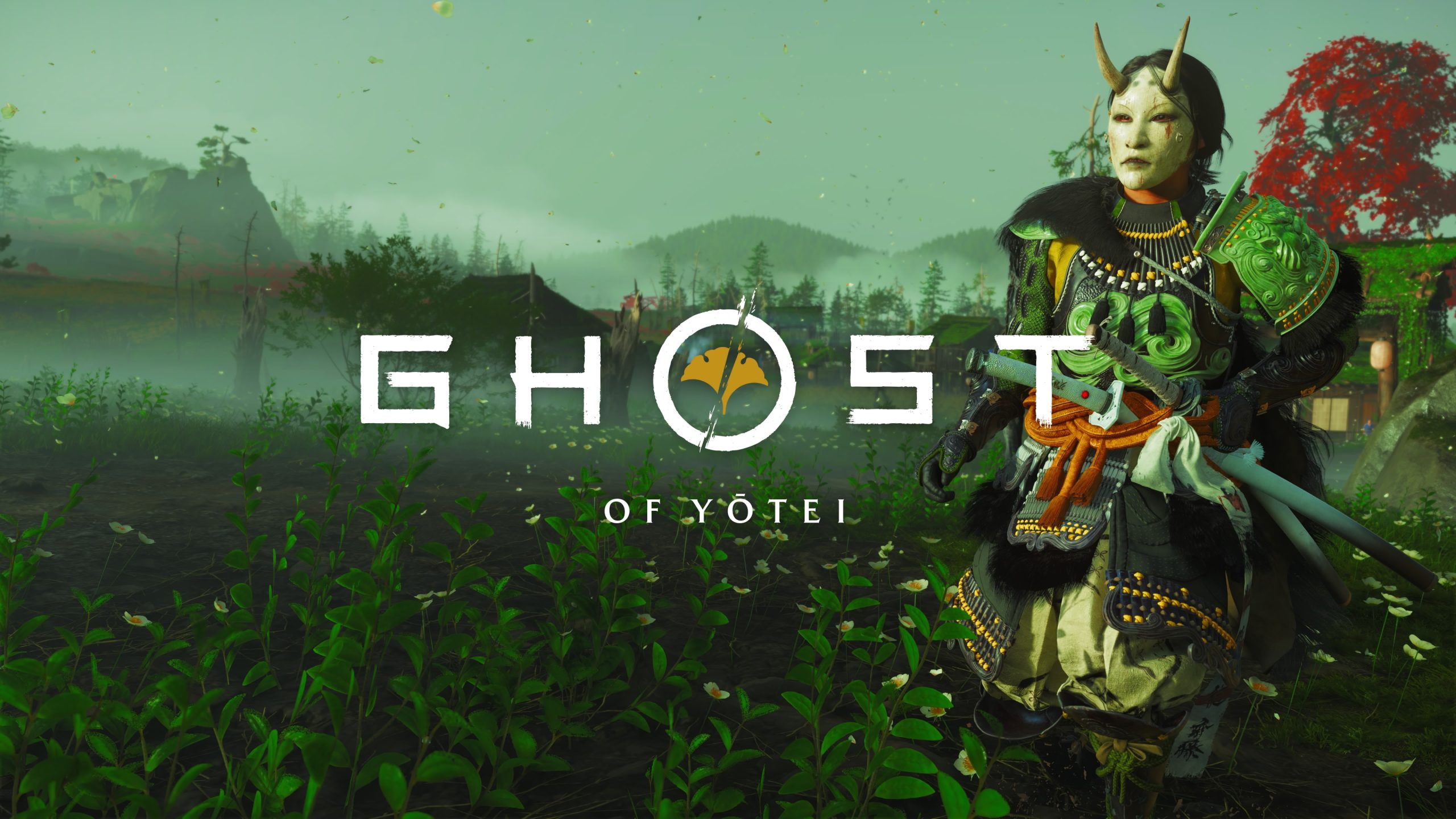
Ghost of Yōtei has been out for just over a year. It was the game of the year from our old site in 2025, and re-visiting it for Echoes of Sekigahara has reminded us exactly why.
As a part of the Ghost of Yōtei: Complete Edition, it builds upon the core journey of Atsu, this upgraded re-release bundles together the base game alongside a new narrative story expansion and a stand-alone arcade combat mode.
Creating an exceptionally rounded package for both returning players and newcomers alike. The cost was £11.99 for the expansion and upgrades, and it’s been the best £12 we’ve spent in a long time.
Echoes of Sekigahara
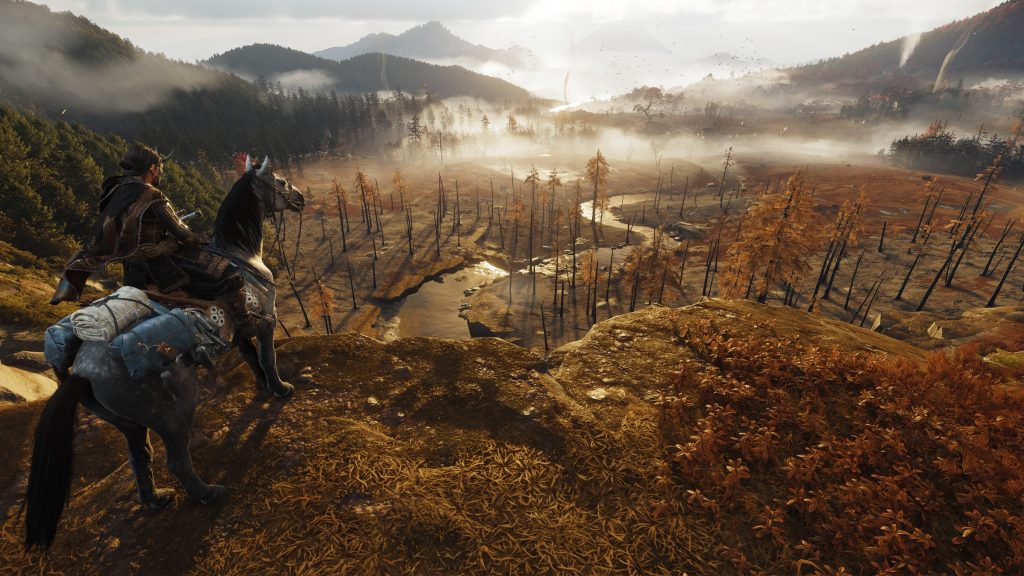
The main story addition arrives in the form of Echoes of Sekigahara. An eight-to-ten hour campaign that unfolds in a brand-new explorable zone known as the Ashoro Foothills. Ghost of Yōtei has been given a new, solid narrative that’s a joy to get stuck-into.
Set specifically prior to the conclusion of the main campaign, the narrative kicks off when Atsu discovers a wanted poster for an old acquaintance, Nagato the Handsome.
Journeying into Northern Japan, Atsu sets out to uncover why her former friend is roaming the region while confronting unresolved emotional turmoil from their shared past.
Although promotional material suggested a heavy split between past and present, the expansion keeps flash-backs relatively brief, placing ninety-five percent of its focus on exploration across the Ashoro Foothills.
The narrative framing works brilliantly as a character study, offering necessary colour to Atsu’s initial coldness in the main game’s opening chapters.
Gameplay stays closely aligned with the main release, featuring familiar regional activities such as bounty hunting, side quests, and striking shrine ascents. It’s more Ghost of Yōtei and that’s no bad thing at all.
In combat, players can wield heavy, temporary weapons like massive clubs and hammers that deliver devastating impact before shattering, adding extra spice to standard encounters and boss fights.
It feels great to witness the beauty of Ghost of Yōtei again, and being able to find that combat flow has been amazing. Adding-in the heavy weapons is a fun change, and useful for quickly clearing some areas.
Echoes of Sekighara has been an absolute pleasure and re-highlights just exactly how amazing the game is.
Most Wanted Mode
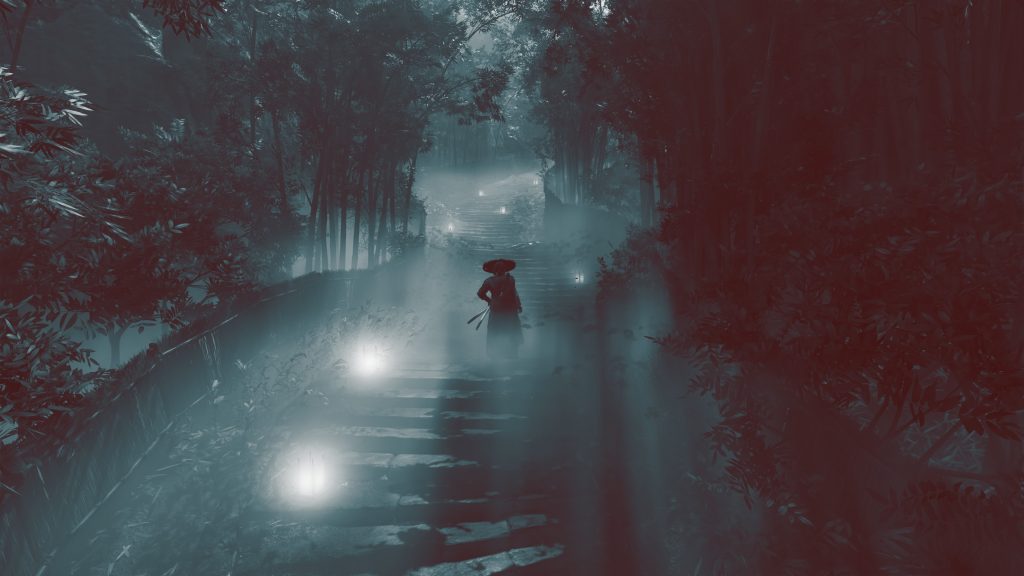
While the narrative expansion adds solid emotional weight, the standout inclusion of the Complete Edition is “Most Wanted”. A single-player roguelike mode accessible directly from the main menu.
We love a roguelike, anyway. But tie it into the combat and world of The Ghost of Yōtei, and you have us to a tee.
Unshackled from story constraints, this mode allows Sucker Punch’s fluid swordplay mechanics to shine without interruption.
Players navigate randomised gauntlets of combat encounters that culminate in showdowns against members of the formidable Yōtei Six, drafting gameplay-altering perk buffs along the way.
Most Wanted features a surprising level of progression, boasting its own dedicated skill trees and customisable difficulty options that cater to casual players and swordplay purists alike.
Adding to the excitement is a roster of four playable characters, including Ghost of Tsushima’s legendary protagonist Jin Sakai. Each equipped with distinct combat abilities and traits.
The sheer replay value packed into this mode transforms the re-release from a standard content update into a deeply addictive time sink.
QSSR
Alongside the Complete Edition launch, Ghost of Yōtei serves as one of the flagship titles showcasing Sony’s new Quick Spectral Super Resolution (QSSR) technology.
Developed through Sony’s AI graphics partnership with AMD, QSSR brings machine learning-based image upscaling to the standard PlayStation 5 console for the first time, functioning as a lightweight, hand-tuned variant of the PS5 Pro’s PSSR technology.
The primary benefit of QSSR is a notable increase in visual stability and image clarity, particularly when playing in standard Performance Mode.
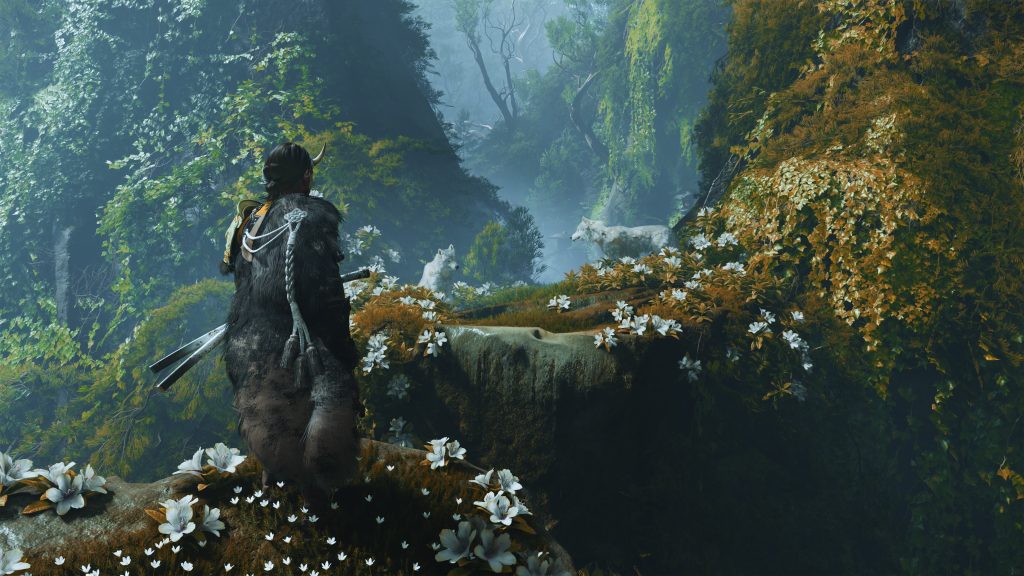
By running a streamlined neural network that reconstructs lower render resolutions into a crisp output, the technology reduces the sub-pixel shimmering and edge artifacting that often plagued complex foliage.
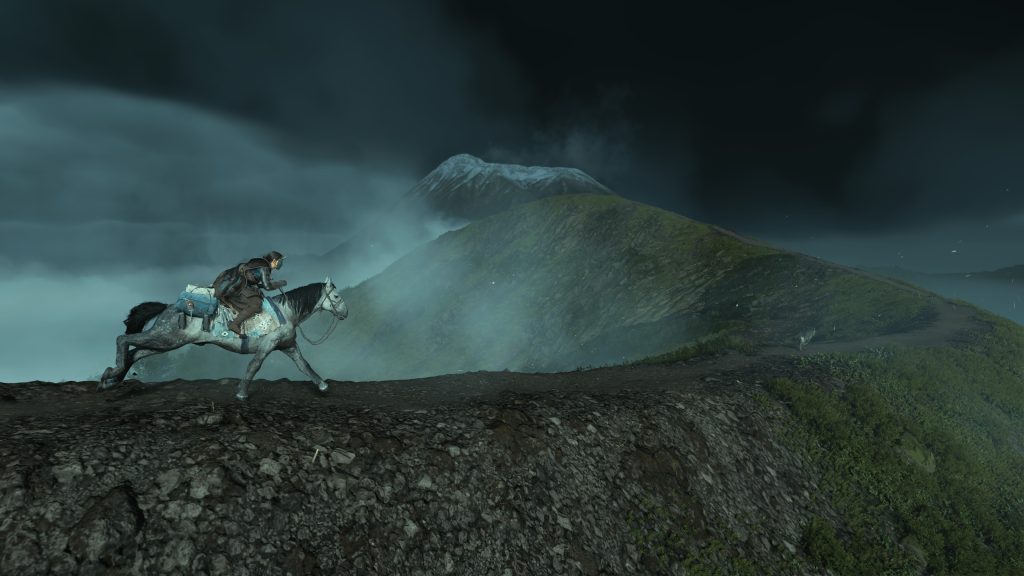
Fine environmental details like leaves, grass blades, distant mountain outlines, and dynamic lighting shafts appear far sharper in motion.
While there is a minor internal frame-time trade-off to process the neural network, it gives base PS5 players a noticeably cleaner, more detailed presentation that narrows the visual gap between standard hardware and high-end modes.
Truth be told, Ghost of Yōtei is a stunning game anyway, so it’ll be more interesting to see how it works on games that need to support a bit more. Sony don’t seem particularly keen on giving customers what they want, currently. So time will tell. But it feels like QSSR is a positive step, if it gets properly deployed elsewhere.
Final Verdict
Ghost of Yōtei: Complete Edition stands as a robust re-release that highlights the absolute best of Sucker Punch’s samurai epic.
Though Echoes of Sekigahara offers a familiar exploration structure rather than an endgame overhaul, its narrative depth and chance to re-visit Atsu and her story make it well worthwhile.
With thrilling addition of Most Wanted and the quality of life improvements with QQSR. The package is a very an easy recommendation for anyone eager to cross blades once more.
We’re playing daily because we have a good reason to go back, and Most Wanted is just going to extend the life of the game for a good while.
