







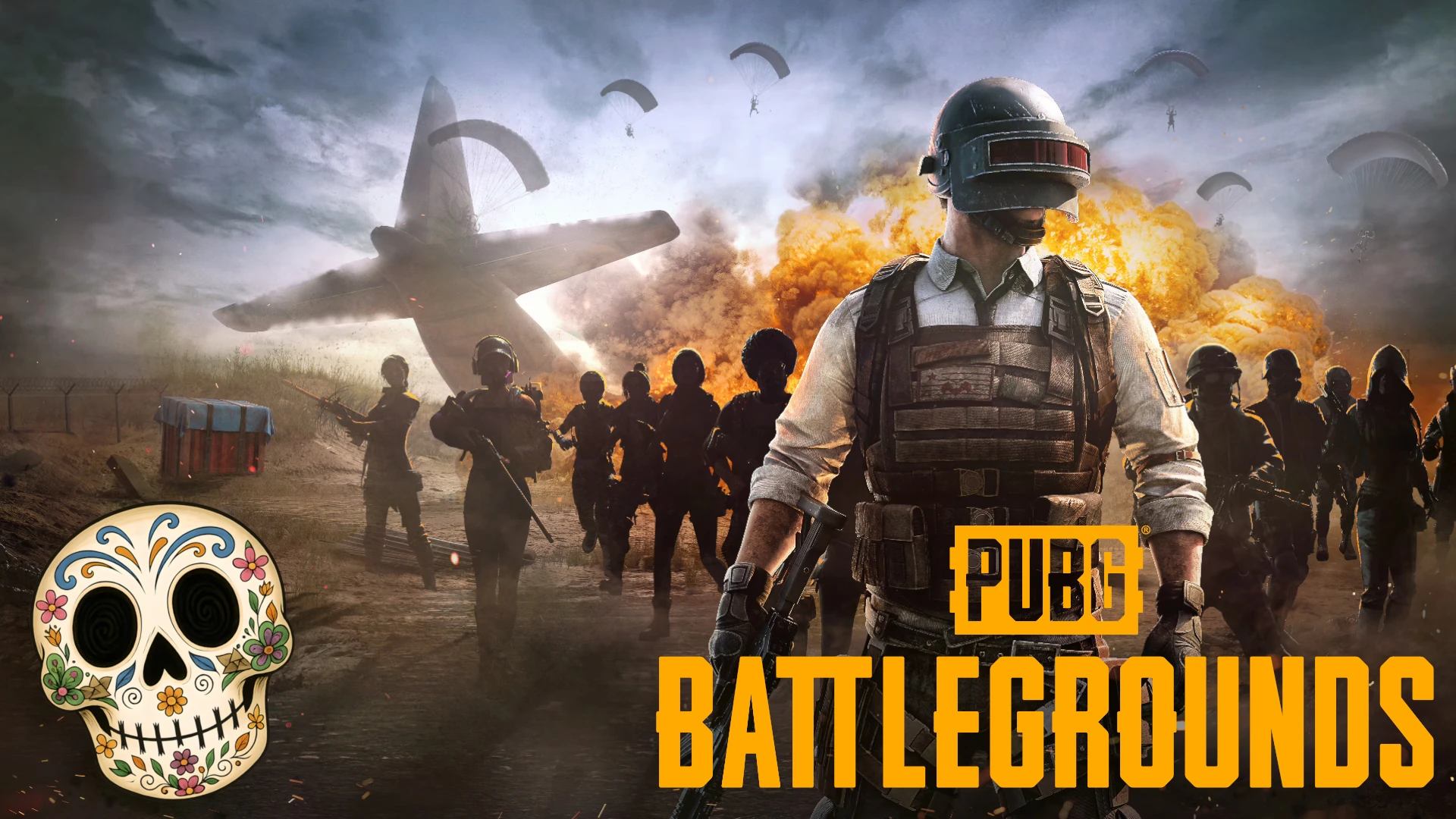
PUBG is changing how its iconic matchmaking ring operates. In a newly released developer letter, the KRAFTON team laid-out a pretty comprehensive Blue Zone Revamp. It’s aimed at modernising match pacing, reducing late-game chaos in Normal Matches, shaking up early-game stagnation in Ranked play, and completely reworking how players take damage outside the circle.
This marks the first major update to the core Blue Zone rule set since April 2023. According to KRAFTON, the way players engage in combat and manage survival in PUBG, has shifted significantly, leaving the old parameters feeling outdated for today’s hyper-fast meta.
It’s a pretty lengthy letter, which you can read here, but we’ve taken the key elements to give you a bit of a shorter read.
With the recent dynamic smoke changes, and now Blue Zone changes. The endgame in a round of PUBG is becoming something quite different, and it’s fascinating to see the game adjust to how player change how they engage over time.
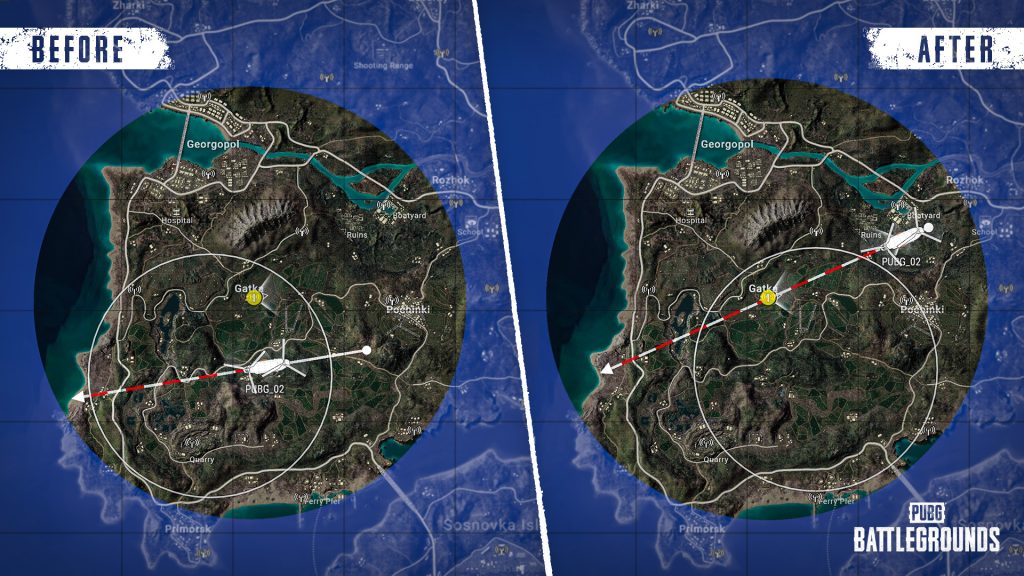
Normal Matches vs. Ranked
Rather than keeping a single unified rule set for both casual and competitive spheres, the development team has decided to split their approach to cater to the specific player behaviors that define each mode.
Normal Matches: Easing Late-Game Pressure
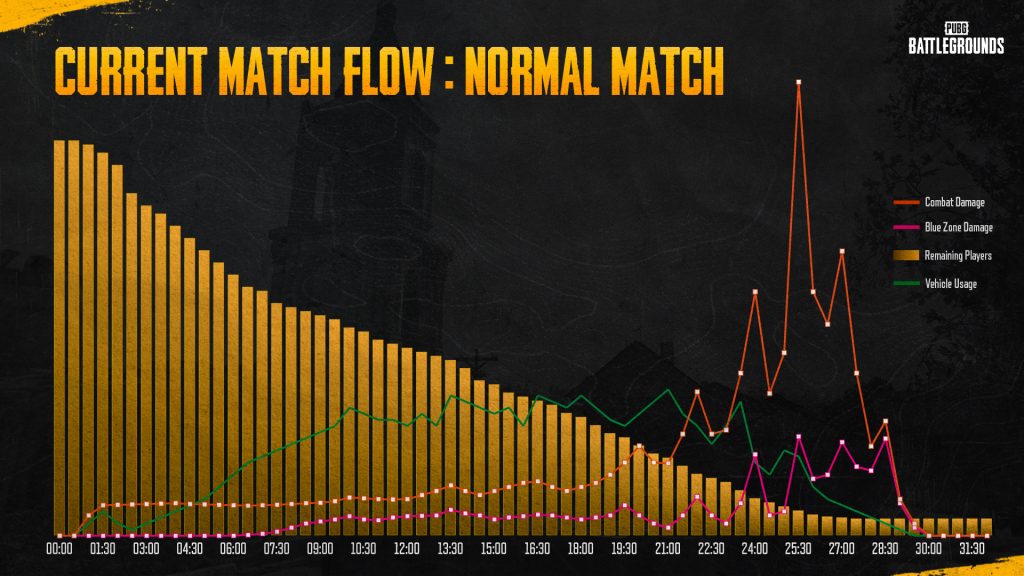
In casual Normal Matches, the late phases (specifically Phases 5 and 6) often become an absolute meat grinder. Shorter shrink periods forced players to sprint blindly or rely heavily on vehicles to get to safety, causing multiple teams to violently crash into the same compounds simultaneously.
The Fix: KRAFTON is slightly lowering the initial warning periods but extending the shrink times.
The Result: The Blue Zone will close more slowly across the map, giving players breathing room to engage in cleaner tactical gunfights and plan smart rotations into late-game circles rather than being rushed by a fast-moving wall of blue.
Ranked & Esports: Eliminating Early Stagnation
Competitive play historically suffers from the exact opposite problem. Teams quickly loot up, find centre-map positioning, and then sit tight for several phases, resulting in a predictable and flat early game. Furthermore, hyper-aggressive “zone-centring” rules made it too easy to predict future circle locations.
The Fix: Match phase durations are being compressed in the early stages to cut out dead air. Additionally, the strength of zone-centring adjustments is being dialled back to inject a much-needed dose of randomness and tension into where final circles form.
Time-Based Damage Scaling
Perhaps the biggest mechanical change coming in this revamp is a complete rewrite of the Blue Zone’s damage logic.
Previously, the damage players took outside the circle scaled based on how far away they were from the safe zone. This system was often confusing to track mid-game and primarily only punished players stuck deep in the outlands (usually me….)
Going forward, Blue Zone damage will scale based on the total amount of time you spend inside it.
The Impact: While slow rotations and early-game looting in the blue will still be possible, staying in the ring for extended periods will now scale exponentially.
This change targets late-game edge-camping strategies where teams deliberately take damage to heal through it and pull off surprise flanks from deep in the blue. Tactics like this are about to become incredibly risky, if not downright impossible.
KRAFTON has noted that they will closely monitor survivor counts, player density, and engagement metrics once the changes go live, ensuring further tweaks are made if the blue begins punishing players a bit too heavily.
PUBG keeps evolving
Battle Royale isn’t exactly in-vogue any more, but it’s still one of the genre’s that we love the most. Always looking for a new take on it from different games, and always coming back to our favourite, PUBG.
It’s fascinating watching the game still grow and evolve. Especially as people have moved onto extraction shooter and moving more into other genres. Seeing KRAFTON continue to push the game and the technology, whilst updating and working with players to keep it fresh, is great.
It feels like PUBG is probably (from a pragmatic perspective), in the best place it has ever been. If we take away the rose-tinted view of those early wild-west days, the game is better than it’s ever been on many levels. There will always be room for improvement and dissatisfaction for some changes, but the fact that a game like PUBG continues confidently and is in a strong position, is amazing.