


I’ll be honest, my expectations of an Overwatch comic series were kind of all over the place. Blizzard’s animated shorts are stunning and tell tales in styles, so there was a high expectation. But a mix of authors and artists, meant consistency would be an issue.
I was kind of right. Not because anything is bad, but because anything excellent stands out above anything that isn’t, and in an anthology, that’s a problem.
I love Overwatch, and I’ve got an affinity with a lot of the original heroes in the game. So I really want to enjoy this one.
Overwatch
When Blizzard Entertainment launched Overwatch in 2016, it didn’t just release a highly polished hero shooter; it dropped a massive narrative puzzle.
By stripping the game of a traditional single-player campaign, the developers forced players to piece together the lore through animated shorts, cryptic map details, and digital tie-in comics.
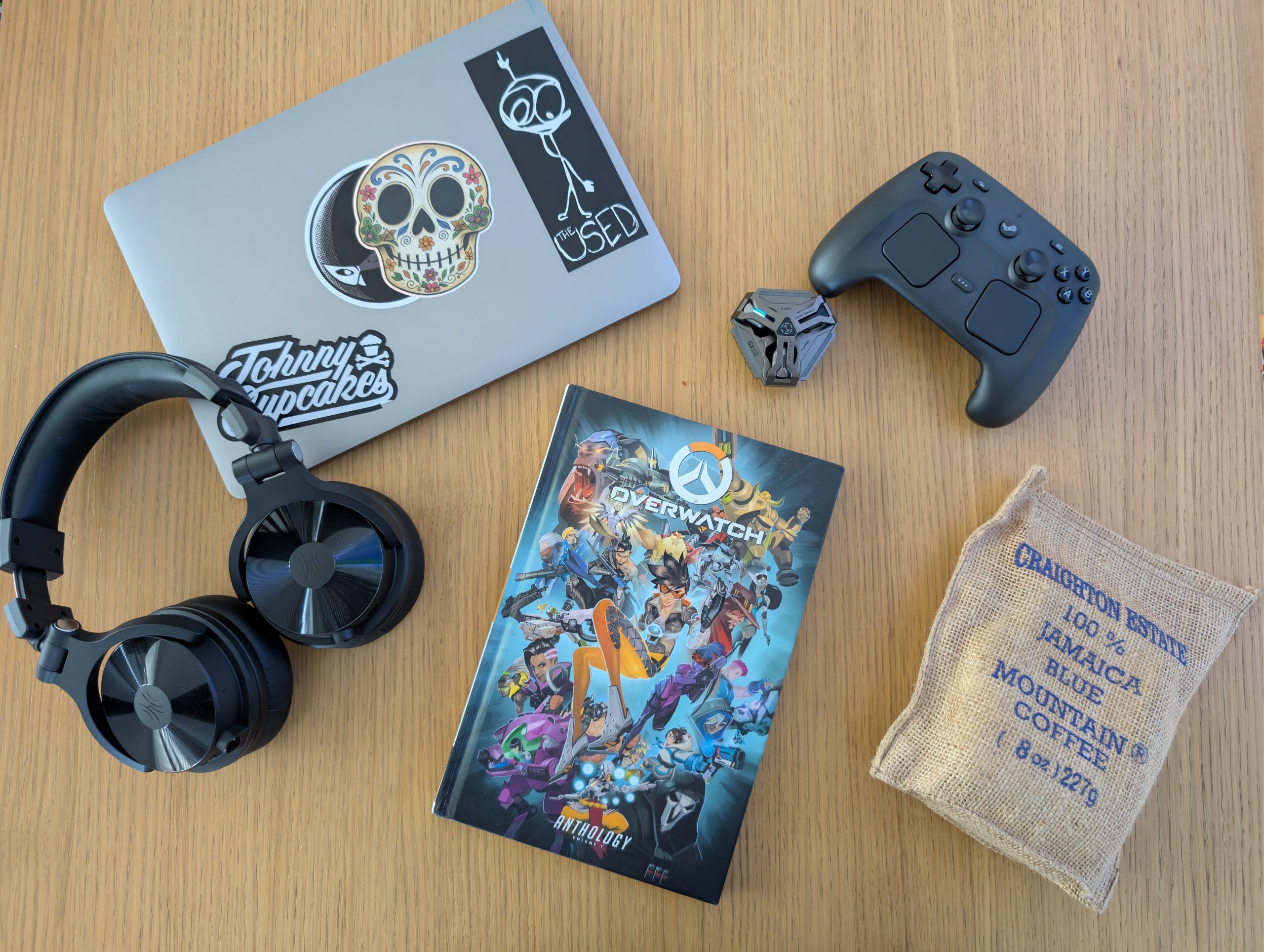
Collected in a lovely hard-cover by Dark Horse Books, Overwatch Anthology Volume 1 brings the first twelve issues of those digital shorts into the physical realm.
As an artifact of trans media storytelling, it is a gorgeous addition to a coffee table. As a stand alone collection of graphic fiction, however, it serves as a textbook example of the unique curse that plagues almost every anthology: brilliant high points adrift in a sea of middle-of-the-road vignettes.
A Masterclass in Visual Design
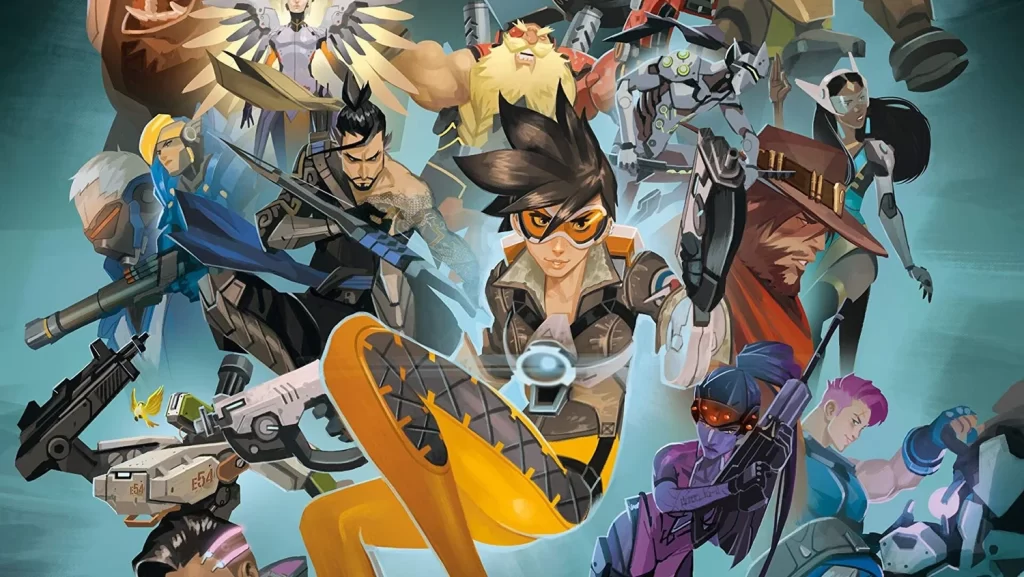
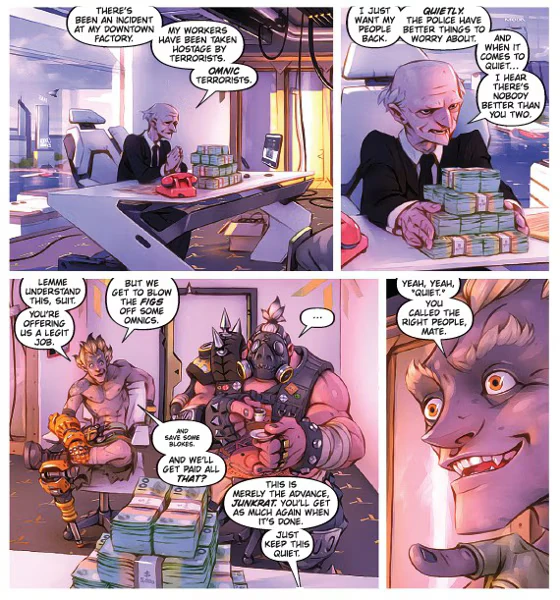
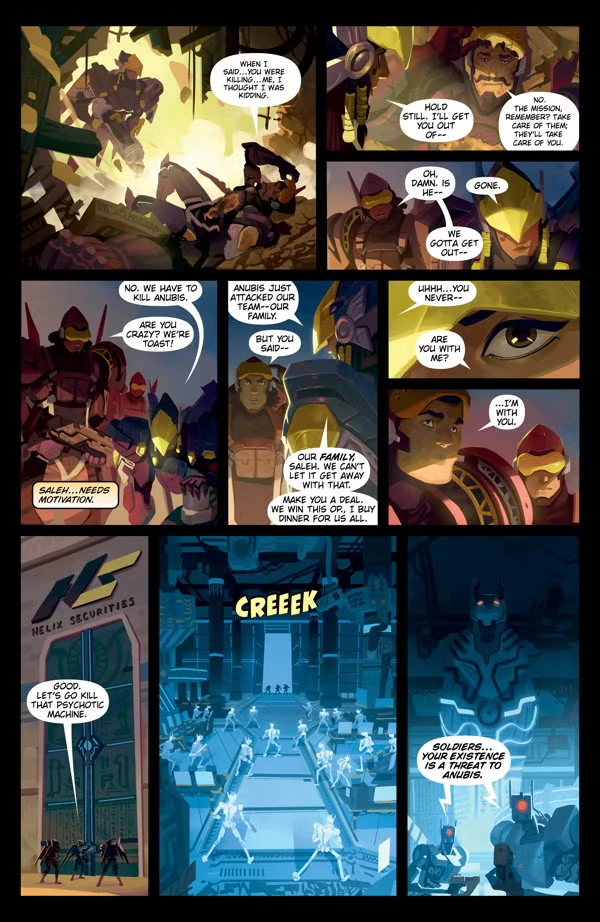
If there is one undeniable triumph across all 144 pages of this collection, it is the artwork. Blizzard assembled an all-star creative roster. Including the likes of Nesskain, Bengal, Gray Shuko, and Miki Montlló. The results are spectacular.
What makes the book so visually arresting is how seamlessly these artists translate the game’s distinctive, clean, near-future aesthetic into vastly different styles.
Nesskain’s work on the early chapters captures a heroic, cinematic scale that feels like high-budget key art brought to life.
Gray Shuko’s softer, more painterly touch brings an unexpected emotional depth to the older veterans of the roster.
Bengal’s kinetic line work delivers the frenetic, hyper-stylized action that fans associate with the gameplay itself.
The colouring throughout is vibrant and expertly handled, balancing the neon-soaked cyberpunk streets of King’s Row with the muted, war-torn landscapes of Bastion’s past.
Visually, the collection never falters; even when the writing stalls, the page-turn remains an absolute pleasure.
The Anthology Curse
The structural trouble with any anthology is that a single standout piece can instantly expose the limitations of its neighbours. In Volume 1, the narrative delta between the best and worst entries is vast. Because these comics were originally released as bite-sized promotional pieces, many of them suffer from a lack of room to breathe.
Several entries follow a painfully predictable, “middle-of-the-road” template: a hero arrives in a location, encounters low-level thugs or corporate espionage, delivers a few signature catchphrases, wins the skirmish, and poses for a final splash page. Characters like McCree (Cassidy) and Symmetra get stories that feel less like meaningful character exposition and more like extended tutorial missions transcribed into panels. They are safe, predictable, and ultimately sterile.
The collection functions best when it stops trying to sell the game’s mechanics and starts interrogating the cost of its universe’s history.
When the writers stop relying on the standard action-hero template, the anthology flies. The standout stories don’t just mimic the game; they enrich it. My favourites were these three:
Binary (Bastion)
The lingering trauma of the Omnic Crisis and the fragile nature of peace.
Tells a poignant, mostly silent story about an autonomous weapon discovering nature, relying entirely on visual storytelling.
Legacy (Ana)
The psychological weight of a sniper’s burden and the tragedy of a faked death.
Explores the generational trauma of the Amari lineage, transforming a simple backstory into a genuinely affecting tragedy.
Reflections (Tracer)
A quiet, festive look at the domestic lives of the characters during the holidays.
Forgoes combat entirely to focus on human connection, cementing the characters as real people rather than just digital chess pieces.
These highlights are brilliant, but they inadvertently cast a long shadow over the more perfunctory chapters. When a narrative as deep and haunting as Bastion’s mechanical awakening is followed shortly after by a generic, checklist-heavy skirmish, the whiplash is hard to ignore. The exceptional artwork often works overtime here, masking thin premises and surface-level dialogue with gorgeous framing and dynamic layouts.
The Verdict
Overwatch Anthology Volume 1 is a conflicted book. For the lore enthusiast or the design nerd, it is a must-own archive that contextualises the early world-building of a global phenomenon. The sheer diversity of the art styles makes it a brilliant showcase of comic draftsmanship.
However, as a cohesive literary collection, it is heavily weighted down by its commercial origins. It frequently settles for being a glossy marketing companion rather than reaching for the boundary-pushing storytelling its best chapters prove it was capable of.
There’s potential, though and as Blizzard work to re-engage players after the Overwatch 2 debacle. Maybe we’ll get more media to help us dive deeper into the world? A Triple-A game deserves some triple-A world building.
It’s not the best collection of stories in the world, but it’s fun, it looks great, and it’s worth a read.
DAM that’s good.