











Oh man, it’s been a good six months since we last played some PUBG, and we have to be honest, we’re hankering for some more battle royale chaos. Particularly with the military flavour, much like our enjoyment of Battlefield 6.
Nothing has pushed the urge even further than seeing a video for new “interactive smoke”. Which, let’s be honest, sounds insignificant. But this is PUGB. A change like this could shift the entire experience.
Interactive Smoke
For years, the humble smoke grenade has been the ultimate tactical security blanket in PUBG. Whether you needed to pull off a desperate revive in an open field on Erangel, cover a frantic bridge crossing, or loot a high-tier crate while under heavy sniper fire, dropping a wall of grey mist was your get-out-of-jail-free card.
But let’s face it: video game smoke has traditionally been incredibly rigid.
Once that canister popped, it bloomed into a static, clipping, impenetrable brick wall of particle effects until its internal timer ran out. Not anymore.
Krafton is injecting a massive dose of responsive physics into PUBG’s environmental mechanics with its game-changing Interactive Smoke feature. This rewrites the rules of engagement.
Moreover, Interactive Smoke is just some cool shit.
What is Interactive Smoke?
Instead of acting as a static visual barrier, smoke screens now dynamically respond to the physical chaos unfolding around them in real time.
The tactical fog is no longer a solid shield; it’s a living part of the environment. Here is how the battlefield is shifting:
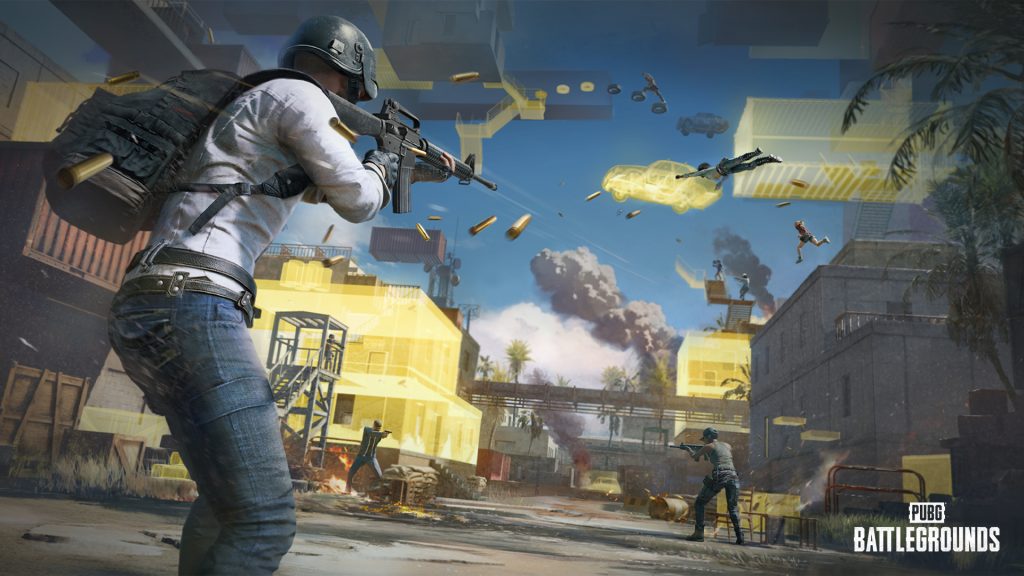
Bullet Trajectories: Firing high-caliber weapons through a smoke cloud now displaces the mist. Bullets tear temporary physical pathways and brief sight lines through the fog.
This means a spray-and-pray squad might accidentally open a window for an enemy counter-attack, or completely expose their own positioning.
Vehicle Disruption: Driving a vehicle straight through a smoke screen will part the cloud like Moses. The aerodynamic wake of a speeding UAZ or Dacia leaves a clear, hollow trail behind it, momentarily stripping away the cover of anyone trying to hide inside.
Explosive Dispersal: Want to clear an enemy’s concealment instantly? Toss a frag grenade.
The resulting blast shockwave temporarily dissipates the smoke, blowing a massive hole in the screen and forcing players out into the open.
Change to the meta
This isn’t just a flashy graphical update meant to show off engine capabilities (although it absolutely does!). Interactive Smoke fundamentally alters high-stakes, late-game strategy.
Historically, smoke created a definitive “timeout” zone. It was a safe space where teams could reset, heal, and plan their next move with relative peace of mind. With interactive physics, that safety net has been shredded.
If an opposing squad suspects you are reviving a downed teammate inside a plume of smoke, they no longer have to blindly guess your location.
They can aggressively use vehicles to sweep the mist away or use heavy suppressive fire to carve out lines of sight. It forces a much more fluid transition between aggressive pushes and defensive adaptation, shifting the meta away from predictable, stationary turtling in the final circles.
Time will tell
PUBG’s Interactive Smoke bridges the gap between pure shooter mechanics and ultra-realistic environmental simulation.
It’s a great reminder that the battle royale genre still has plenty of room for innovation, adding layers of spatial awareness that reward quick thinking and brutally punish lazy, predictable play.
Whether or not it’s as impactful and dynamic as Krafton are touting it to be, is yet to be seen. But the concept is cool and it’s precisely why PUBG is still the best in the genre.
We’re maybe not fully over into Unreal Engine 5 yet, but this feels like one of the steps taken to start realising the benefits of it.
Next time you drop in, don’t expect your smoke screen to do all the heavy lifting. Stay mobile, watch your flanks, and remember: the fog is no longer your friend. Interactive Smoke has all the potential here to mi things up in a big way.