







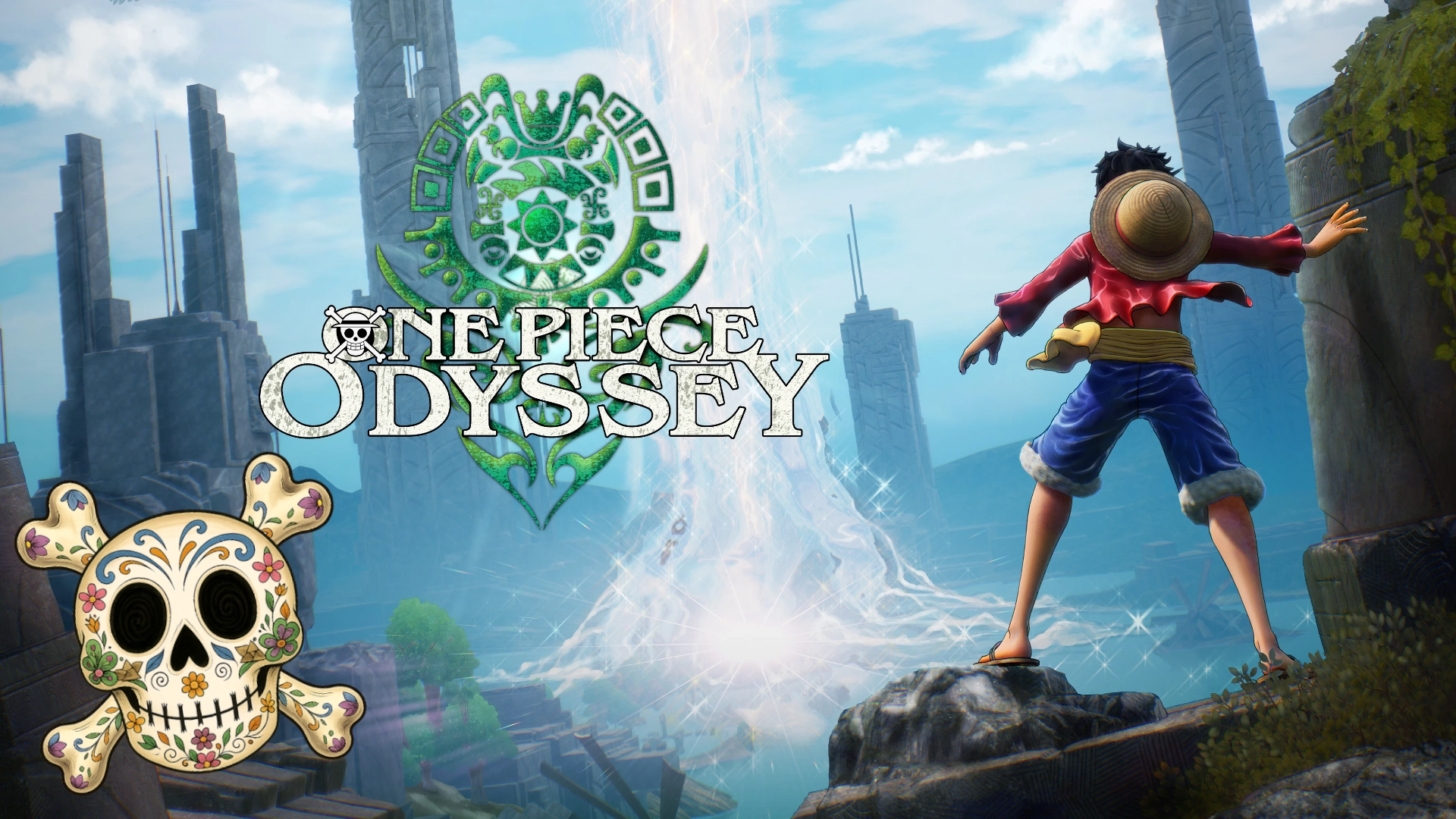
Ok, it’s still Pirate Month, and well, the term “Odyssey” should be good for SEO, at the minute……I kid…kind of. One Piece Odyssey has been on my radar since release in 2023 and because it’s a focus on pirate games in July.
When One Piece Odyssey launched to mark the franchise’s 25th anniversary, expectations were split. Anime adaptations frequently struggle with budget constraints or repetitive musou-style gameplay. However, Bandai Namco and developer ILCA opted for a traditional, full-blown turn-based JRPG format (a bold choice that paid off in several key areas while leaving room for improvement in others).
Here is how critics and players evaluated the journey across Story, Gameplay, Combat, Visual Style, Playtime, and Handheld Performance.
Story & Setting: Nostalgia Meets Original Lore
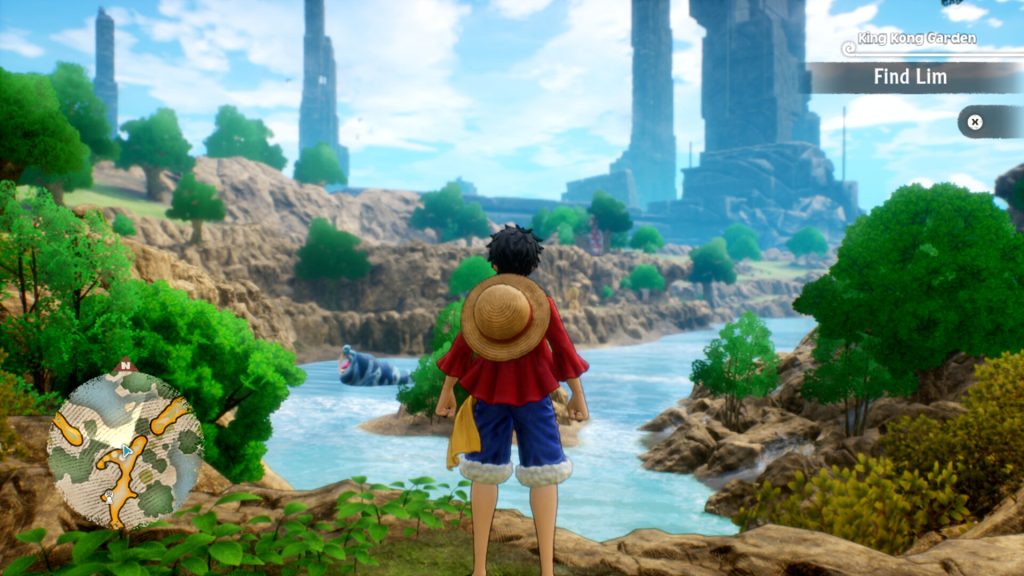
The Straw Hats crash-land on the mysterious, storm-shrouded island of Waford, where a young woman named Lim strips away their powers. To reclaim their abilities, the crew must enter “Memoria”. A realm formed from their shared memories. To revisit iconic past story arcs including Alabasta, Water 7, Marineford, and Dressrosa.
The Highlights: Original character designs and plot involvement from series creator Eiichiro Oda give the narrative genuine heart. The twist of revisiting familiar storylines with slight variations adds a refreshing layer of fan service.
The Drawbacks: Pacing can feel sluggish. Long stretches of walking and back-and-forth dialogue across familiar ground occasionally make the memory sequences feel like padding rather than genuine progression.
This feels very “One Piece” but the pacing can certainly feel like an Odyssey.
Gameplay & World Exploration
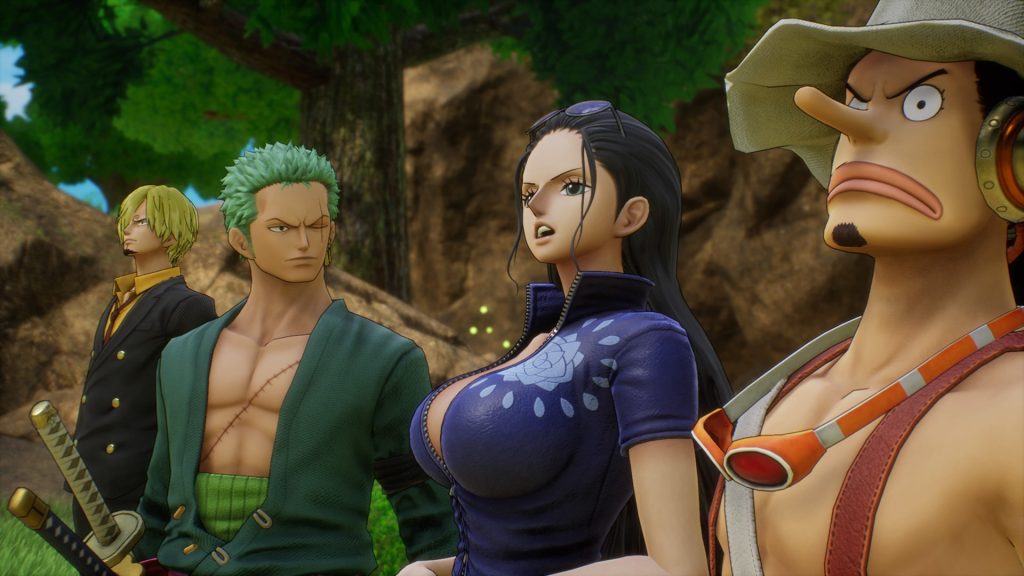
Outside of combat, exploration focuses on using the unique abilities of each Straw Hat member to solve light environmental puzzles and navigate Waford:
- Luffy Stretches arms to grapple across platforms or grab distant loot.
- Chopper Squeezes through narrow tunnels and low passages.
- Zoro Cuts open locked iron gates and doors
- Sanji Sniffs out rare culinary ingredients across maps
- Nami Detects hidden treasure chests and extra money
While switching between characters keeps field traversal varied, pathing remains linear. Invisibly blocked walls and restricted backtracking can feel restrictive compared to modern open-world RPGs.
Combat: A Tactical Spin on Turn-Based Battles
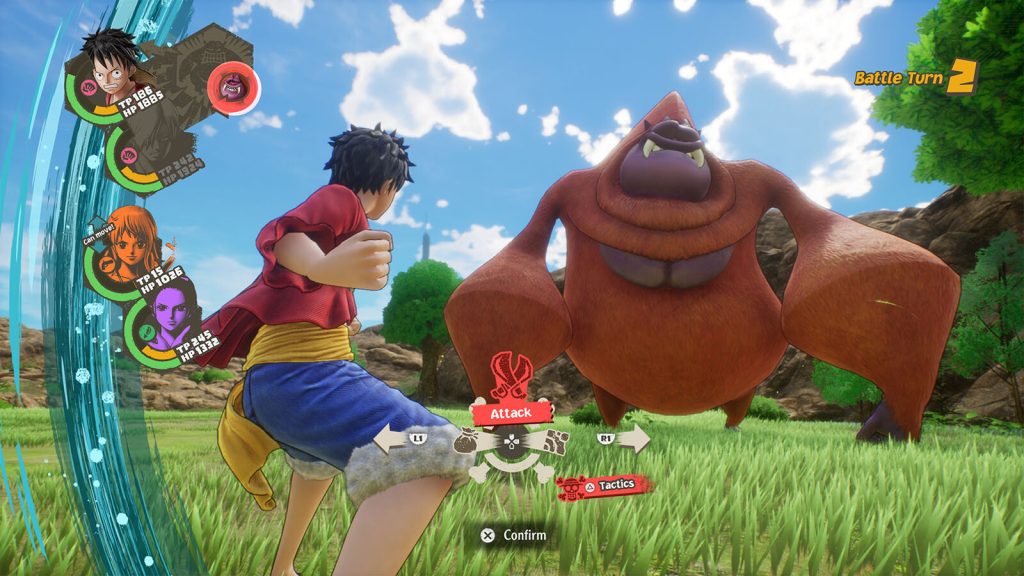
Instead of standard turn-based mechanics, Odyssey introduces two distinct combat systems: Scramble Area Battles and a Rock-Paper-Scissors Affinity system.
Combat Dynamics: Characters and enemies are split across separated zones on the battlefield. Luffy might be isolated with three grunts while Zoro is out of reach, forcing players to use area-of-effect skills or ranged attacks to support crewmates.
Power / Speed / Technique: Every Straw Hat fits into a class triangle (e.g., Luffy is Power, Nami is Speed, Zoro is Technique). Swapping party members during turn order carries no penalty, encouraging constant tag-teaming.
Dramatic Scenes: Mid-battle micro-objectives randomly trigger (such as “Defeat enemy before Sanji is paralyzed”) yielding massive bonus experience upon completion.
The combat design in One Piece Odyssey is clever and cinematic, but a low baseline difficulty means casual encounters rarely demand deep tactical usage.
Visual Style & Sound Design
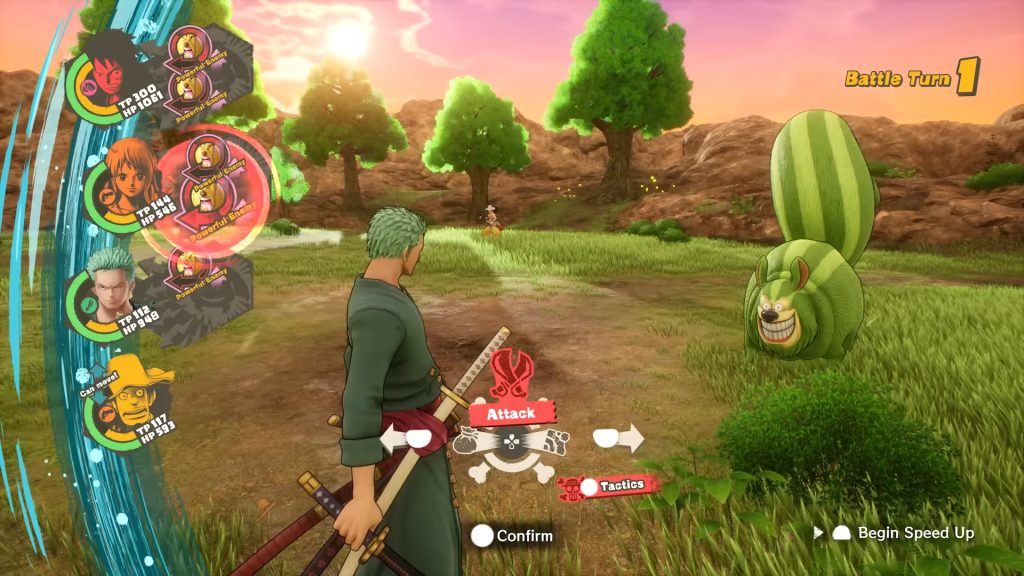
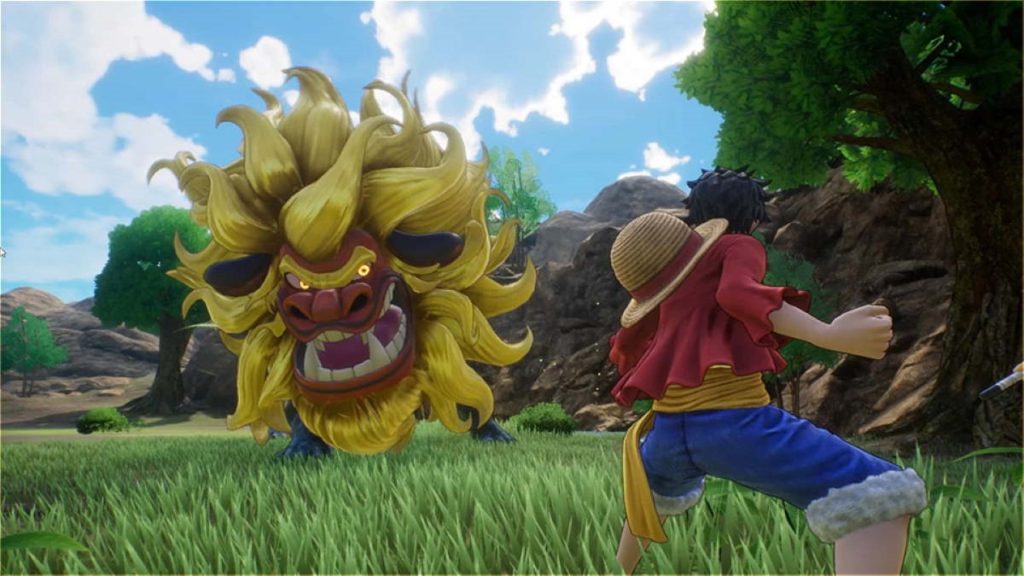
Visually, One Piece Odyssey is arguably the best-looking adaptation of the franchise to date. Expressive character models, fluid animations for iconic special moves (like Luffy’s Gear Fourth or Zoro’s Three-Sword Style), and vibrant environmental lighting successfully bridge the gap between anime aesthetic and 3D rendering.
Music scored by Motoi Sakuraba (Dark Souls, Tales series), the orchestral soundtrack gives the island of Waford a grand, adventure-focused scale. Combined with the voice acting with entire original Japanese voice cast returns, lending authenticity to every cutscene and battle cry.
Game Length & Playtime Expectation
If you are planning to tackle the campaign, One Piece Odyssey fits comfortably into standard JRPG length expectations without becoming overly bloated:
Main Story Focus: ~30–35 hours
Main Story + Side Quests & Bounties: ~45–50 hours
Full Completionist (100%): ~60+ hours
Because the game features a decent amount of linear exploration and backtracking across the Memoria arcs, taking the time to tackle optional Memory Link quests or hunt down scattered cube fragments can easily push an average run closer to that 40-to-45-hour mark. Not a massive Odyssey as the name would suggest, but in modern gaming, that’s plenty and arguable a favourable amount of time.
Steam Deck & Handheld Performance
For PC players considering running this on the go, One Piece Odyssey runs exceptionally well on the Steam Deck. It holds an official Valve rating of “Playable”. Primarily due to small default font sizes requiring occasional text scaling adjustments, but performance-wise it runs smoothly right out of the box.
Because turn-based combat doesn’t require twitch reaction speeds, targeting a stable 40 FPS strikes the best balance between performance and battery life.
Pro Tip: Locking the Deck’s frame limit to 30 FPS on Medium settings drops total power draw enough to stretch battery life toward the 3-hour mark with zero impact on combat responsiveness.
The Overall Consensus
One Piece Odyssey stands as a loving tribute to the series. While its easy difficulty curve and linear level design hold it back from competing with top-tier JRPGs like Dragon Quest XI or Persona 5, its charm, polished presentation, and combat mechanics make it an enjoyable journey for fans of the Straw Hat Pirates.
