










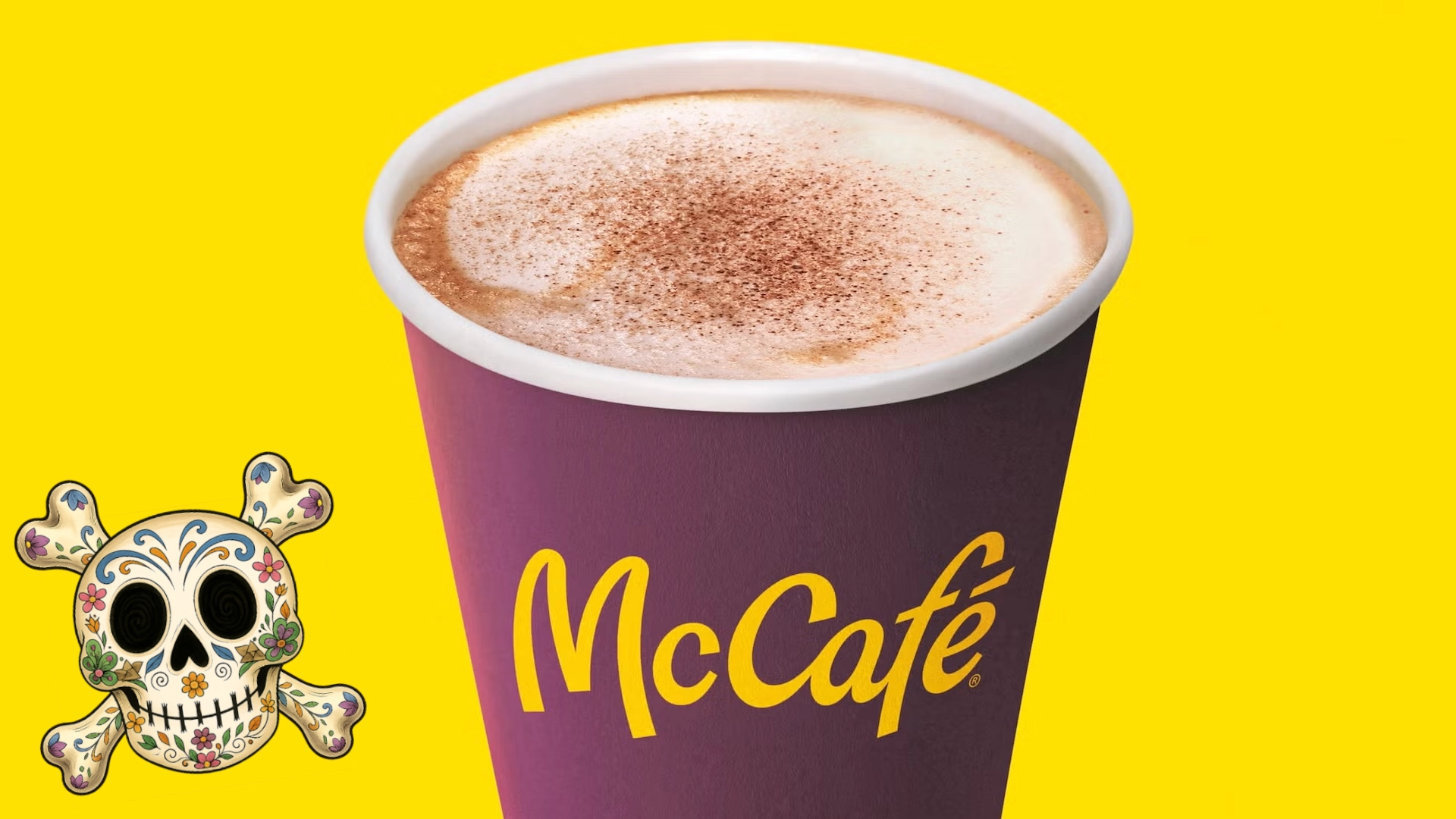
McDonald’s UK rolling out a complete shift in their standard bean profile is a massive play. When you are arguably the largest volume coffee vendor in the country, shifting the baseline roast profile for millions of daily commuters isn’t just a minor menu tweak. It’s a calculated commercial gamble.
Historically, McCafé relied on a traditional, deeply dark-roasted blend. It was heavy, intensely bitter, and frankly designed to punch straight through high volumes of milk without losing its identity. Moving to a noticeably lighter, medium-dark profile changes the entire dynamic of their hot drinks menu.
A drink that we’ve personally called one of the best chain coffee’s that there is. McDonald’s understood the assignment early, and cheap, dark coffee that pairs with the savoury breakfast meals has been a work of art. Does the shift pay-off?

The Taste Profile: What’s Actually in the Cup?
The old McDonald’s roast was built on classic dark-roast tropes: heavy body, ash-and-char bitterness, and a total reliance on milk to make it palatable to anyone that doesn’t enjoy the dark and bitter roasts. Much like Starbucks, and now Costa, too.
The new lighter roast trades away that aggressive, smoky edge in favour of accessibility.
Acidity and Sweetness: There is a clearer, slightly brighter top note now. It isn’t a fruity single-origin, but you get mild chocolate and toasted nut notes rather than straight-up carbon.
Texture: Moving away from a heavy dark roast naturally thins the body slightly. In milk-based drinks like a Flat White or Cappuccino, it blends far more seamlessly, creating a smoother, rounder cup.
The Black Coffee Test: Where the change is most glaring is in an Americano or Espresso. The old blend as a black coffee was a harsh experience; the new blend is infinitely more drinkable on its own, even if it lacks the punch some dark-roast loyalists expect. Personally, we love a bitter, dark roast, and miss that. But this is perfectly fine, especially at the price. It’s arguably better value for money.

Was the Change Required?
From a market and operational perspective, the move was practically inevitable.
Evolving Consumer Palates: The UK coffee market has shifted dramatically over the last decade. High-street giants and speciality shops have normalised lighter, sweeter, and more complex roasts. The dark-roasted, charcoal-heavy style of the early 2000s fast-food era feels increasingly outdated to modern drinkers.
Hiding Bean Defect vs. Highlighting Quality: Historically, commercial fast-food chains roasted beans exceptionally dark to ensure batch consistency and mask variations in cheaper green coffee. Moving to a lighter roast requires better baseline bean sourcing, as lighter profiles expose defects much more easily. The move signals a push toward higher quality across their supply chain.
Synergy with Milk Alternatives and Syrups: Lighter, sweeter roasts pair far better with alternative milks (like oat) and flavoured syrups without creating that jarring, burnt-sugar clash that dark roasts produce.
People want a better coffee and McDonald’s want that custom. Whether or not we see some significant cost increases in the future, is yet to be seen. But if the quality is there, the opportunities to expand on their coffee offering is there, too. Suddenly they can flex a different muscle and bring customers in that way instead.

The General Consensus
Public reaction is split right down the middle, largely depending on how people take their coffee.
The Converts: Daily latte and flat white drinkers, along with casual coffee fans, are generally praising the move. The consensus here is that the new cup is smoother, far less bitter, and doesn’t leave that lingering burnt aftertaste. For people who previously found McDonald’s coffee too harsh, this is a massive upgrade.
The Sceptics: Traditional dark-roast fans and night-shift commuters who relied on McCafé for a quick, bitter slap in the face aren’t as impressed. The main criticism circulating is that the coffee feels “weaker” or slightly thin, particularly in larger sizes where the milk can overpower the lighter bean notes if the shot-to-milk ratio isn’t dialled-in.
Obviously strength of coffee is such a poor marker as taste strength usually equates to water/coffee ratio or how dark the roast is. Not actually associated with the caffeine content. It’s been a bad marketing gimmick that needs to go away.

Our view
Ultimately, McDonald’s didn’t make this change to cater to coffee purists; they made it to capture the vast middle ground of the UK high street. By smoothing out the bitter edges, they’ve made their coffee safer, more approachable, and undeniably modern. It might lack the bold punch it used to have, but as a daily, budget-friendly drive-thru cup, it’s a remarkably smart evolution.
We don’t dislike it, it’ll continue to hit the spot in a pinch and so long as the cost stays relatively low, it’s hard to argue against McDonald’s trying to improve upon their offering. We’ll see how this changes their menu over time. We suspect this is going to open-up some new gaps in the market, and make them more competitive with the high street coffee shop chains. And well, competition is healthy and good for us as consumers.
McDonald’s might have been just about their hamburger for a while. But now they’re branching-out well beyond that, and if their coffee offering lands properly. There’s a real chance they can deliver a coffee-shop vibe, too.
