












Since the Grand Theft Auto VI extended look came out on Netflix and Youtube, I’ve wrestled with writing-up some commentary about it. Like every man and their dog. but truth be told, there’s not much more to say that I’ve not already said. As great as it looks, and as keen as I am to play it, there’s no way it can impact gaming the same way that Grand Theft Auto V did.
It’s got the gloss, it’s got the 13 years of development, and it’s a guaranteed success because it’s part of the global cultural zeitgeist. More so than practically any other gaming series ever. But take away the shiny, take away the sales. Will it have as much impact on the medium and what can be possible? I think Grand Theft Auto V will likely keeps it’s crown of innovation and impact.

Grand Theft Auto V
When Grand Theft Auto V launched in September 2013, it was clear Rockstar Games had created a masterpiece. What few predicted was that it would transcend being just a “game of the year” candidate to become the single most profitable entertainment product in human history, generating over $8 billion in revenue and selling upwards of 200 million copies spanning three console generations.
To understand why GTA V maintained such absurd staying power (and whether GTA VI can replicate that leap) we have to look at what set it apart in 2013, what keeps it unmatched today, and how the gaming landscape has shifted.
What GTA V Did Differently at Launch
When GTA V arrived on PS3 and Xbox 360, it pushed open-world design beyond what industry peers thought possible on aging hardware. That’s right, we first played this on consoles that are 2 generations behind where we’re at now. Plus, we still playing it on current gen.
1. The Three-Protagonist Dynamic
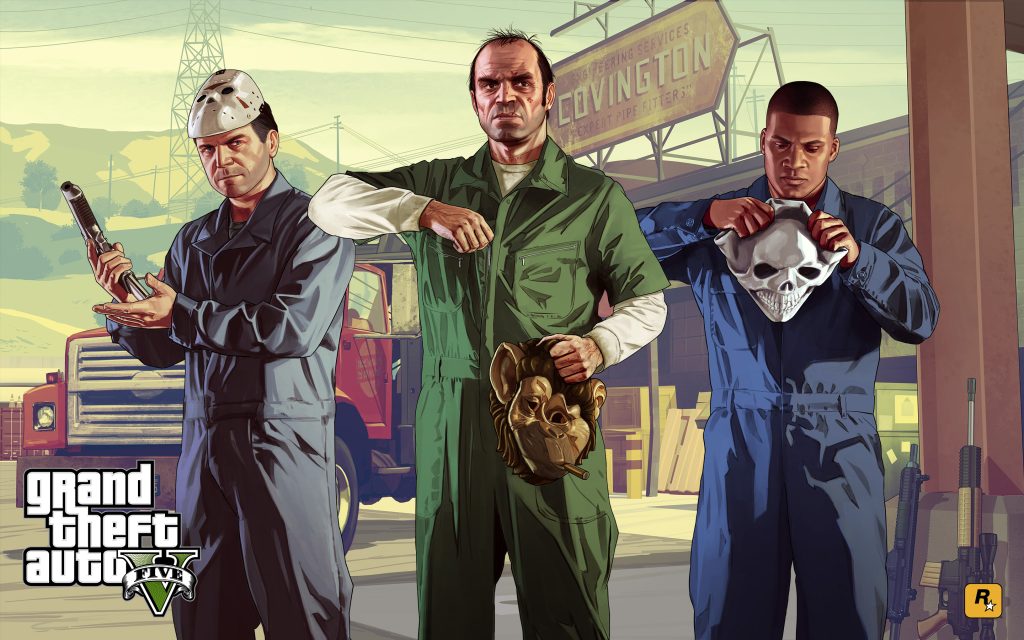
Before 2013, open-world narratives were strictly linear, single-perspective experiences. GTA V introduced Michael, Franklin, and Trevor. Three fundamentally different archetypes representing distinct facets of crime and American satire. The ability to seamlessly zoom out to a satellite view and drop into another character’s routine was revolutionary. Swapping to Trevor waking up in his underwear on a beach or Michael stuck in traffic offered an unprecedented sense that the world existed independent of the player.
This made Grand Theft Auto V feel more alive, giving us the impression that the characters were just living their lives until we rudely disturbed them. It’s amazing, even today.
2. Micro-Scale Sandbox Density
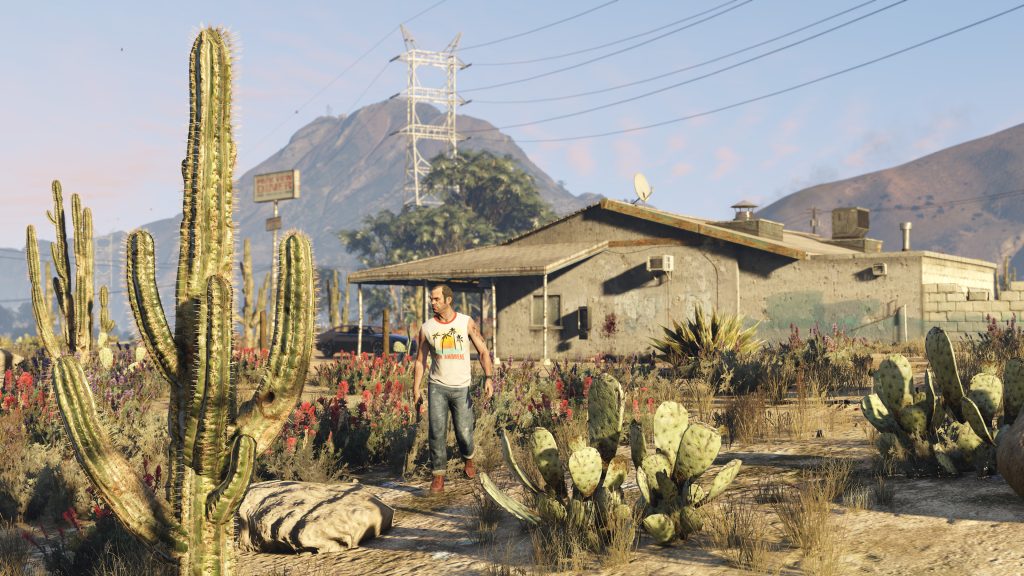
Unlike competitors who built massive, empty maps (like Just Cause titles), Rockstar realised density mattered more than raw landmass. Los Santos felt like a living organism:
- NPCs reacted dynamically to being stared at, bumped into, or photographed.
- Radio stations seamlessly blended real-world pop culture, custom commentary, and dynamic news reports covering the player’s recent missions.
- In-game websites, an operational stock market (LCN and BAWSAQ), and functional mobile phones integrated into the gameplay loop.
3. Tonal Shift to Vibrant Power Fantasy
Grand Theft Auto IV (2008) was critically acclaimed for its gritty realism, heavy vehicle physics, and sombre story of Niko Bellic. However, many casual players found the driving sluggish and the tone oppressive. GTA V reversed course, embracing arcade-style vehicle handling, bright Southern California lighting, and explosive heist structures that prioritised player thrill over strict realism.
Glossy, impressive and on a scale that had never been seen before.

Will Grand Theft Auto VI Be Able to Grow as Much as V Did from IV?
Comparing GTA VI’s potential leap over GTA V to the shift between IV and V requires looking at the industry context of both eras. There’s some scope, for sure, but with enhanced editions and the multi-generational hopping that Grand Theft Auto V has done, it’s a tricky one.
| Metric | GTA IV → GTA V (2008–2013) | GTA V → GTA VI |
|---|---|---|
| Tech Jump | Mid-generation refinements on PS3/Xbox 360 | Full utilization of PS5/Xbox Series X SSDs, Ray Tracing, AI |
| Primary Monetisation | One-time game sales + DLC expansions | Full live-service ecosystem from Day 1 |
| World Design Focus | Scale, fidelity, and triple-protagonist switching | Deep interior access, realistic crowd AI, physical interaction |
| Cultural Satire Target | Post-recession 2010s consumer culture | Social media algorithms, influencer culture, short-form content era |
The one thing I keep coming back to, too. If a game has been in development as long as Grand Theft Auto VI. How can it tonally keep-up with modern day? Maybe the world doesn’t move as fast as I think and trends are slower to change. But with the current state of the world being almost what previous games have parodied. Will the satirical outlook on the US be the same? Will it even land, when it’s such a joke in real life? Have younger generations got a different view on the world and that kind of humour?
Why a Similar Quantitative Leap is Unlikely
In terms of pure percentage growth in sales and revenue, GTA V set an anomaly of a benchmark that may be impossible to beat:
- The Multi-Generational Triple-Dip: GTA V launched at the absolute tail-end of the PS3/360 generation, allowing Rockstar to sell the same game on PS3, PS4, and PS5 (along with PC). GTA VI launches in a market where players expect cross-progression and fewer forced double-purchases.
- First-Mover Online Advantage: When GTA Online launched, live-service multiplayer sandboxes were relatively rare on consoles. Today, GTA VI must compete for player time against established juggernauts like Fortnite, Roblox, and GTA V itself.
It’ll hit massive sales, for sure. But will it be able to reach the records and all-time cash generation that GTA V has done?
Where GTA VI can outgrow GTA V
It might seem that I’m a little pessimistic about GTA VI which isn’t accurate. I’m more interested in how a massive game release like this will play-out, than ever before. Furthermore, I want Rockstar to show me how innovative they can be, and to change what an open-world game can be, again. Give me more Red Dead Redemption 2-level story and character building. Give me more to learn and explore and have fun with. Please.
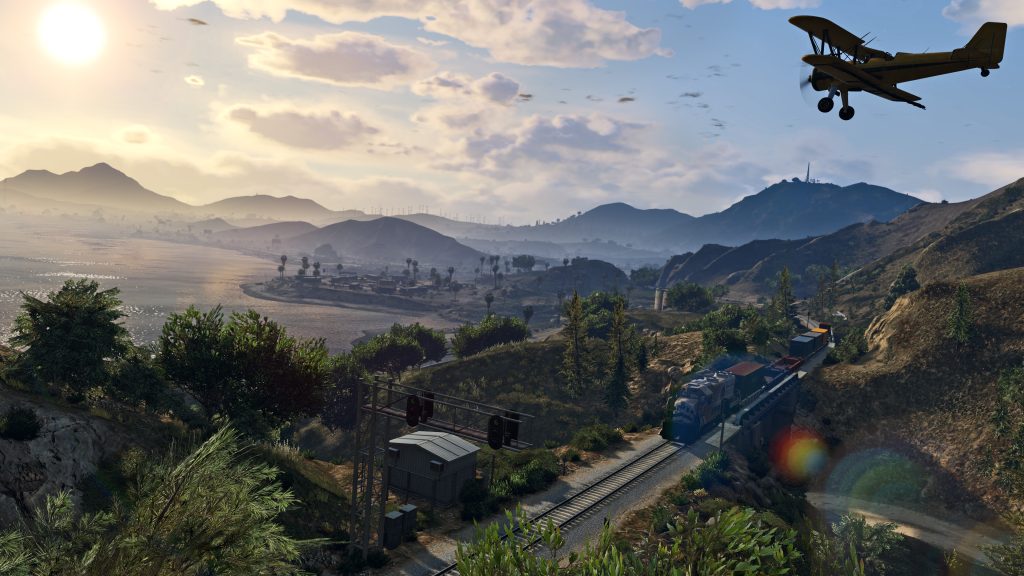
Where Grand Theft Auto VI will surpass its predecessor is in mechanical depth, dynamic simulation, and cultural impact:
- World Interactivity & Interior Scale: Leaks and trailers indicate a vast increase in accessible interiors (stores, clubs, apartments), moving away from the “hollow building” syndrome that plagued older open-world games.
- Advanced AI & Social Dynamics: GTA VI takes place in Vice City (Leonida) during the height of viral social media culture. The jump in NPC intelligence, pedestrian density, and dynamic events will make GTA V’s world feel static by comparison.
- Day-One Live Service Architecture: GTA Online was originally an afterthought that took weeks to stabilise post-launch. GTA VI is built from the ground up with a decade of live-service lessons, potentially offering a far more robust multiplayer foundation right out of the gate.
GTA V’s longevity was a perfect storm of technical innovation, accessible gameplay, and accidental live-service brilliance. While GTA VI may not double GTA V’s 200-million sales figure due to market saturation, it is poised to set a new technical and behavioural benchmark for open-world gaming for the next decade.

Grand Theft Auto
It’s wild that we’re 13 years post-Grand Theft Auto V and on the precipice of the sequel. The extended look showed us plenty, but didn’t really get me any more excited than before. It just look like more Grand Theft Auto. I’m really hoping it pulls something new and unique out of the bag.
Rockstar have form, for sure. But it’s going to be very interesting to see what they’ve been able to accomplish.
It’s just a game at the end of the day, and with the current state of the wider-world, it’s not that important. But, it could very well be the escape so many people need from reality, and maybe, that’s enough?
Now we’re re-playing GTA V to get back into the swing of things and really get a feel for where the game is in present day, ready to see how Grand Theft Auto VI really compares on day one.