











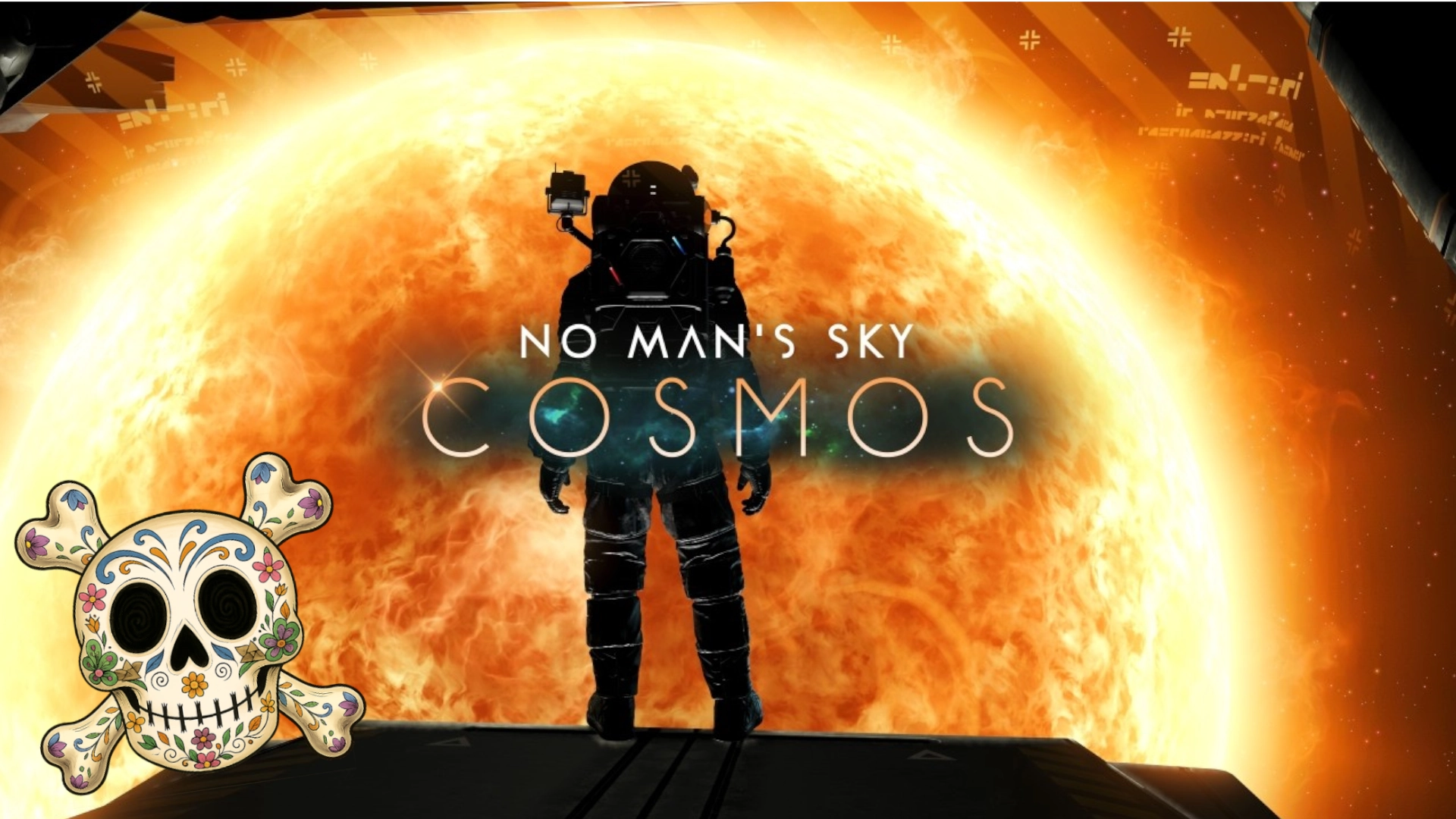
Hello Games has dropped one of its most ambitious updates to date. Celebrating ten years since the game’s original debut, No Man’s Sky: Cosmos officially shifts the spotlight away from planetary surfaces and completely overhauls deep space itself.
What we’ve been given this time, completely shifts how we can look at building homes and controlling our experience. No longer tied to planets (which are awesome, and there are billions!). No Man’s Sky: Cosmos puts us among the stars.
Player-Owned Space Stations and Galactic Alliances
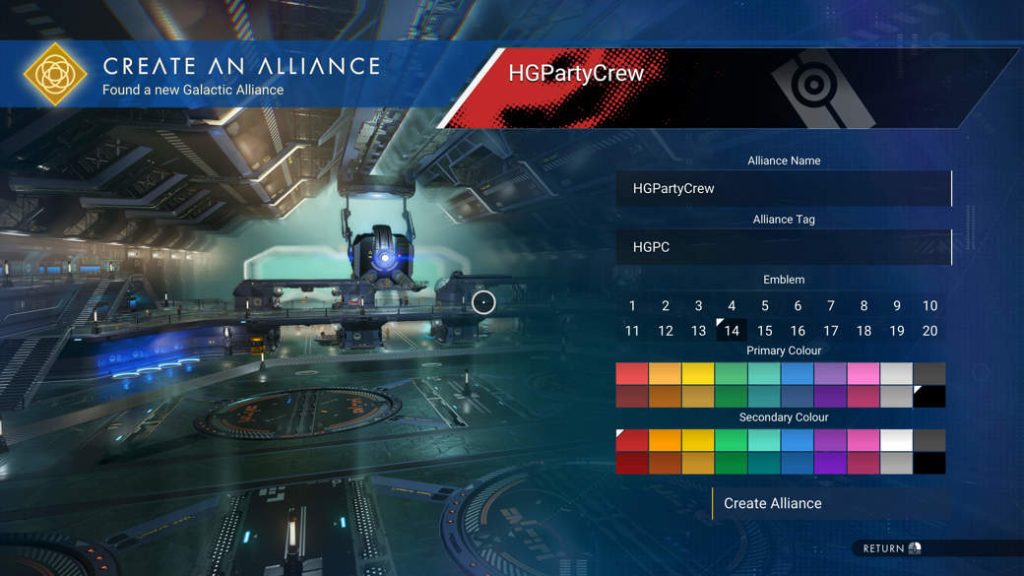
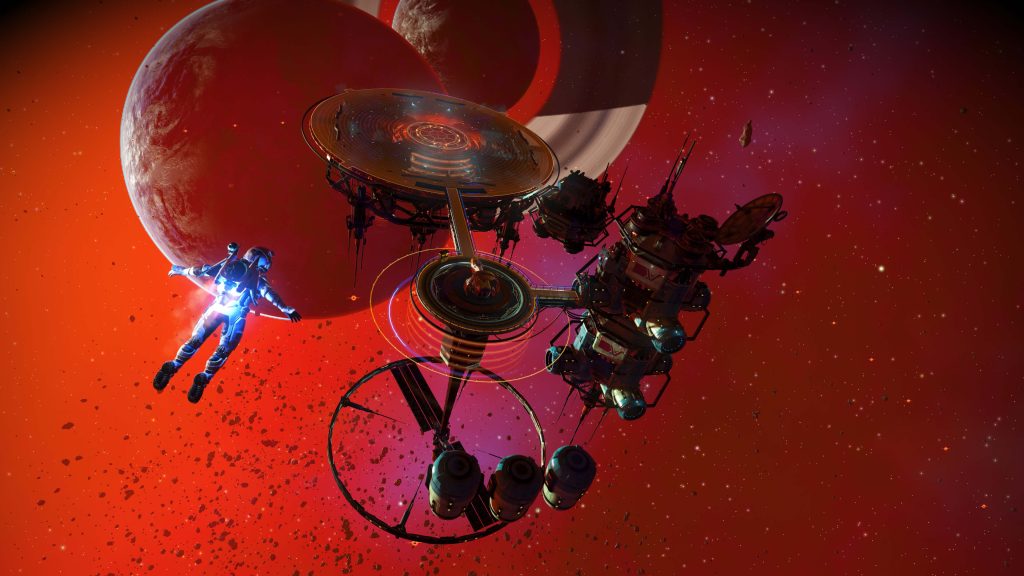
In what Sean Murray called one of the most requested features in the game’s decade-long history. Players can now buy and direct entire space stations in No Man’s Sky: Cosmos. Travellers have full creative control to customize and decorate these structures inside and out, transforming them into personalized social hubs, trading centres, or strategic planetary footholds.
This mechanical leap expands further with the introduction of Galactic Alliances. Players can group together with fellow intergalactic travellers to pool their hard-earned resources, network multiple player-owned stations across systems, and compete directly on global alliance leader boards for regional dominance.
These features are so significant, and so cool. No Man’s Sky: Cosmos looks to be elevating the game yet again to an entire new level.
Deep Space Base-Building and Asteroid Settlements
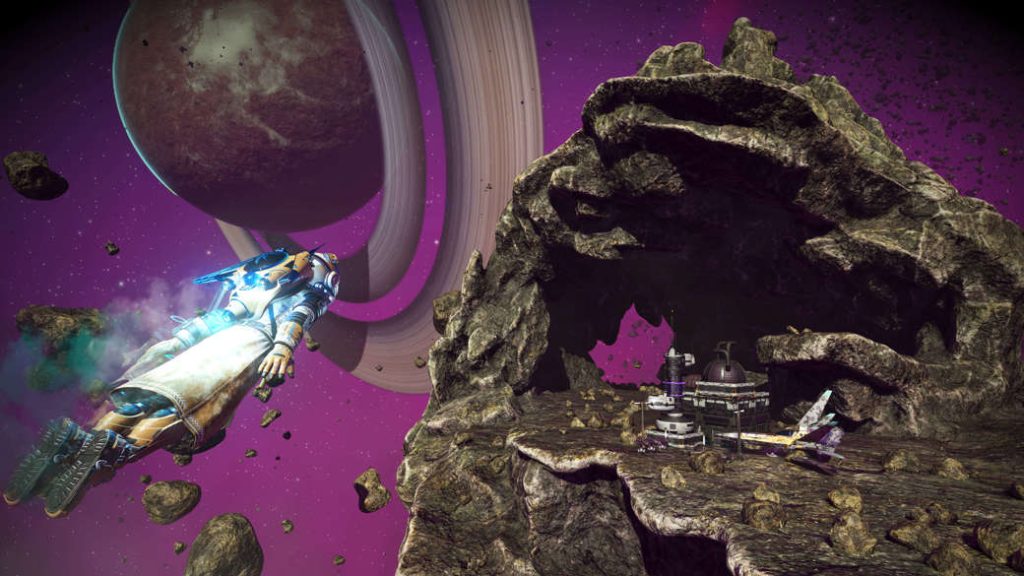
Constructing a home in the cosmos is no longer restricted to planet surfaces. The Cosmos update grants players total freedom to build modular, free-floating orbital bases anywhere in deep space. Whether that means erecting a modest orbital rest stop or a massive military outpost floating among the stars.
Exploration in the void gets equally grounded through overhauled rock and ice asteroid belts. These newly styled belts now feature massive procedural asteroids large enough to land on directly, offering fresh territory for travellers to mine high-yield minerals or claim as permanent, cratered base locations.
The search for the perfect paradise planet may never truly be over. But No Man’s Sky: Cosmos has got us thinking maybe we should just set-up on a giant asteroid and hopefully avoid Sentinels and weather, all together.
Derelict Salvaging, Tractor Beams, and Cosmic Hazards
Deep space is far from empty, as giant procedural space hulks now drift through the dark as part of the No Man’s Sky: Cosmos release.
Equipping the upgraded Gravitino Coil, players can explore these derelicts to strip structural plating and claim high-value salvaged loot. However, scavengers must tread carefully, as pushing a hulk’s structural limits too far risks triggering a localized meltdown and an explosive destruction.
To aid in these recovery operations, corvette-class star ships can now equip specialized Tractor Beam utilities. This brand-new ship module allows pilots to lock onto heavy salvaged debris and drag it directly into their cargo bays for processing or trade. It looks so cool, and we never realised quite how much we need a tractor beam in this game, or gaming in general!
Solar System Mapping and Stellar Exploration
Navigation gets a major quality-of-life upgrade with the addition of the localised In-System Star Map.
Upon warping into a system, travellers can instantly pull up a map that highlights nearby orbital outposts, deep-space trading hubs, and bio-hazard infested wrecks, removing the guesswork from local exploration. This is such a significant quality of life improvement, it’s exceptional work from Hello Games.
For the boldest travellers seeking a real thrill, the No Man’s Sky: Cosmos update finally makes it possible to fly directly into a system’s central star.
Reaching the burning heart of a sun demands top-tier heat shielding, making it a perilous journey only the most prepared star ships will survive.
The Tenth Anniversary Expedition and Technical Upgrades
Finally, marking a major milestone for the franchise, the new “Our Journey Continues” expedition takes players on a nostalgia-filled tour through the history of No Man’s Sky.
Each milestone corresponds to one of the 40+ updates released over the last decade, packed with special developer notes, historical commentary, and retro gameplay mechanics.
On the performance front, update 7.0 brings heavy technical polish across PC and consoles with native support for NVIDIA DLSS 4.5 and Intel XeSS 3.
Visuals see a dramatic lift through enhanced planetary atmosphere transitions, dynamic volumetric clouds, and deep-space illumination models.
A fresh wave of Twitch Drops featuring exclusive high-tech ships, fireworks, and rare base parts accompanies the release, which is available now across PlayStation 5, Xbox Series X/S, PC, and Switch.